

Achieving peak physical performance often feels like an expensive endeavor. Many people believe that reaching fitness milestones requires pricey supplements or premium grocery store memberships. However, learning what to eat before and after a workout when you’re on a tight budget in the usa is entirely possible with the right approach.
You do not need fancy powders or exotic superfoods to fuel your body effectively. Strategic planning remains the most powerful tool in your kitchen. By focusing on nutrient-dense staples, you can support your training goals without breaking the bank.
Smart food choices provide the energy required for intense sessions and the protein needed for recovery. This guide will show you how to maximize your nutrition while keeping your wallet happy.
Key Takeaways
- Prioritize whole foods like oats, eggs, and beans for cost-effective energy.
- Focus on timing your meals to optimize performance and muscle repair.
- Avoid expensive specialty products that offer little extra value.
- Meal prepping helps prevent impulse buys and saves significant money.
- Consistency in your diet matters more than buying high-end brands.
Understanding the Basics of Budget-Friendly Fitness Nutrition
Achieving your fitness goals does not require a massive bank account or expensive specialty products. By focusing on budget-friendly fitness nutrition, you can provide your body with exactly what it needs to perform at its peak. It is all about choosing the right ingredients that offer high value for your hard-earned money.
The Role of Macronutrients in Performance
To sustain energy during intense activity, your body relies on three primary macronutrients: proteins, carbohydrates, and fats. Proteins are essential for muscle repair, while carbohydrates serve as your primary fuel source for high-intensity movements. Healthy fats help regulate hormones and provide long-lasting energy for endurance.
You do not need fancy powders to hit your daily targets. Simple, whole foods provide these nutrients in a form that your body can easily absorb and utilize. Using these staples as your budget-friendly exercise fuel ensures you stay energized without the high price tag of processed alternatives.
Why Expensive Supplements Are Not Necessary
The fitness industry often pushes expensive pills and synthetic powders that promise miraculous results. In reality, these products are rarely superior to a well-balanced diet of whole foods. Most athletes find that they can achieve better recovery and performance by simply eating real, nutrient-dense meals.
Investing in quality groceries is a much smarter strategy than spending your budget on marketing hype. Below is a comparison of how whole foods stack up against common supplement alternatives in terms of value and nutritional density.
| Nutrient Source | Cost Efficiency | Nutritional Value |
|---|---|---|
| Whole Eggs | High | Complete Protein & Healthy Fats |
| Whey Protein Powder | Low | Processed Protein Only |
| Oats | Very High | Complex Carbohydrates & Fiber |
| Pre-Workout Drinks | Very Low | Artificial Stimulants & Sweeteners |
What to Eat Before and After a Workout When You’re on a Tight Budget in the USA
Achieving your fitness goals while managing your finances is entirely possible with the right nutritional strategy. Many people believe that high-performance results require expensive supplements, but knowing what to eat before and after a workout when you’re on a tight budget in the usa is actually much simpler. By focusing on whole, affordable foods, you can fuel your body effectively without overspending.
Defining Your Pre-Workout Energy Needs
Your body requires quick-burning fuel to power through intense training sessions. The goal is to consume easily digestible carbohydrates about 30 to 60 minutes before you start. These simple sugars provide the immediate energy needed to sustain your effort and prevent premature fatigue.
Opting for cost-effective workout nutrition means choosing staples like bananas, a slice of toast, or a small bowl of oatmeal. These items are incredibly cheap when purchased in bulk at local American grocery stores. Consistency in timing ensures your muscles have the glucose they need to perform at their peak.
Defining Your Post-Workout Recovery Needs
Once your workout ends, your body enters a critical window for repair. You must prioritize protein intake to help your muscles recover and grow stronger after the stress of exercise. Consuming a mix of protein and carbohydrates within an hour of finishing your session is the best way to replenish your energy stores.
You do not need fancy protein powders to achieve these results. Affordable sources like canned tuna, eggs, or Greek yogurt provide the essential amino acids required for muscle synthesis. By planning your meals around these budget-friendly staples, you maintain high performance while keeping your grocery bill low.
| Nutrient Timing | Primary Goal | Budget-Friendly Food | Estimated Cost |
|---|---|---|---|
| Pre-Workout | Energy Supply | Banana or Oats | Low |
| Post-Workout | Muscle Repair | Hard-Boiled Eggs | Low |
| Post-Workout | Recovery | Canned Tuna | Moderate |
Smart Grocery Shopping Strategies for Athletes
You do not need a massive paycheck to fuel your body with high-quality nutrition. By changing how you approach your weekly shopping trip, you can easily discover economical gym food options that support your training goals. Smart planning allows you to prioritize your health while keeping your wallet happy.
Navigating Discount Grocery Stores Like Aldi and Lidl
Discount retailers like Aldi and Lidl have become game-changers for fitness enthusiasts. These stores offer private-label goods that often match the quality of name brands at a fraction of the cost. Focusing on these stores is one of the most effective ways to secure economical fitness food options without sacrificing quality.
When shopping here, look for staples like eggs, Greek yogurt, and oats. These items provide the essential protein and complex carbohydrates needed for recovery. You will find that your dollar stretches much further when you avoid the premium prices found at traditional supermarkets.
Buying in Bulk at Costco or Sam’s Club
Warehouse clubs are excellent for athletes who have a consistent meal plan. Buying items like chicken breast, brown rice, and peanut butter in bulk significantly lowers the cost per serving. Long-term savings are the primary benefit of a membership at places like Costco or Sam’s Club.
Make sure you have enough storage space before stocking up on large quantities. If you share a membership with a friend or family member, you can split the costs even further. This strategy ensures you always have the fuel you need on hand for your next workout.
The Benefits of Frozen Fruits and Vegetables
Many people mistakenly believe that fresh produce is always superior to frozen options. In reality, frozen fruits and vegetables are often picked at peak ripeness and flash-frozen to lock in nutrients. They are incredibly convenient and help you avoid the waste that occurs when fresh produce spoils in your refrigerator.
Adding frozen berries to your post-workout smoothie or steaming frozen broccoli for dinner is a simple way to boost your micronutrient intake. Because they are pre-chopped and ready to use, they save you valuable time during your busy week. Choosing frozen is a smart, budget-friendly move for any athlete.
Affordable Pre-Workout Snack Ideas
Fueling your body for a workout does not have to drain your bank account. You can find plenty of workout meal ideas that are both nutritious and easy on your wallet. By focusing on simple, whole-food ingredients, you ensure your body has the steady energy required to perform at its best.
These affordable pre-workout snacks are designed to be prepared in minutes, making them perfect for your busy lifestyle. Combining complex carbohydrates with healthy fats helps maintain your stamina throughout even the most demanding training sessions.
Oats and Bananas: The Ultimate Cheap Fuel
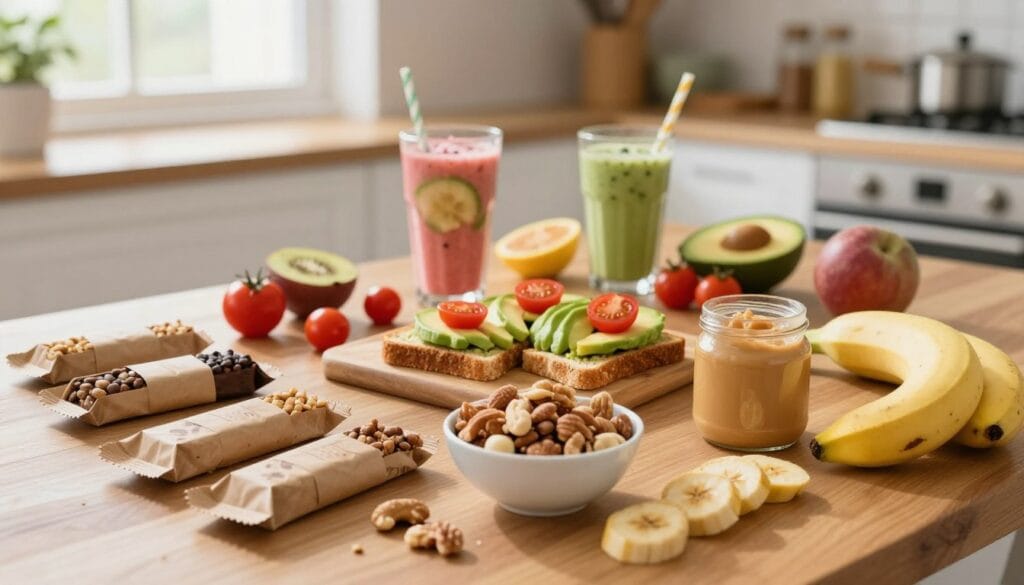
Oats are a powerhouse of complex carbohydrates that digest slowly, providing a consistent release of energy. When you pair them with a banana, you add a quick source of natural sugar and potassium to prevent cramping.
This combination is one of the most effective workout meal ideas for those on a tight budget. Simply mix a half-cup of rolled oats with water and slice a banana on top for a meal that costs pennies per serving.
Hard-Boiled Eggs for Sustained Energy
Eggs are an incredibly versatile and inexpensive source of high-quality protein. Eating one or two hard-boiled eggs before you hit the gym provides the amino acids necessary to support your muscles.
Because they are easy to store, they serve as excellent affordable pre-workout snacks for people on the go. You can boil a dozen at the start of the week to ensure you always have a quick, protein-packed option ready.
Rice Cakes with Peanut Butter
If you need a light snack that won’t weigh you down, rice cakes topped with peanut butter are a fantastic choice. The rice cake offers a quick carbohydrate boost, while the peanut butter provides healthy fats for sustained satiety.
This classic snack is a staple for many athletes because it requires zero cooking time. It is a perfect example of how simple pantry items can serve as reliable workout meal ideas to keep your performance high.
Cost-Effective Post-Workout Meal Options
Fueling your body after a tough session does not have to drain your bank account. Many athletes believe they need expensive shakes or fancy ingredients to recover, but that is simply not true. You can find excellent workout meal ideas right in your pantry that support muscle repair and replenish your energy stores.
Canned Tuna and Whole Grain Pasta
Canned tuna is a powerhouse of lean protein that is both shelf-stable and incredibly affordable. When you pair it with whole grain pasta, you get a perfect balance of protein and complex carbohydrates to kickstart your recovery.
Simply toss the drained tuna with cooked pasta, a splash of olive oil, and some dried herbs. This is one of the most reliable cheap post-workout meals you can prepare in under fifteen minutes. It provides the essential amino acids your muscles crave after a strenuous lifting session.
Greek Yogurt and Seasonal Fruit
If you prefer something lighter, Greek yogurt is an outstanding choice for post-exercise nutrition. It is packed with casein and whey protein, which are vital for muscle synthesis.
To keep costs low, buy large tubs of plain yogurt rather than individual cups. Top it with whatever fruit is currently in season to add natural sweetness and antioxidants. This combination is a refreshing way to refuel without needing to cook at all.
Lentils and Brown Rice Bowls
For those who prefer plant-based options, lentils and brown rice are a classic, budget-friendly duo. Together, they form a complete protein profile that is essential for long-term recovery.
You can cook a large batch of these staples at the start of the week to save time. Adding a few spices or a dollop of salsa can transform these simple ingredients into a satisfying meal. These bowls are a staple for anyone looking for effective workout meal ideas that respect their wallet.
The Power of Pantry Staples for Muscle Recovery
Your kitchen cupboards hold the secret to affordable athletic nutrition that supports your fitness goals. By keeping a well-stocked pantry, you ensure that you always have the building blocks for muscle repair on hand. This approach turns simple ingredients into a reliable source of cheap post-workout fuel without the need for expensive specialty items.
Utilizing Dried Beans and Legumes
Dried beans and lentils are the ultimate budget-friendly heroes for any athlete. These plant-based powerhouses are packed with essential amino acids that your body craves after a tough training session. Because they have a long shelf life, you can buy them in bulk to keep your grocery costs at an absolute minimum.
The Versatility of Canned Chickpeas
Canned chickpeas offer incredible convenience when you need a quick meal after the gym. You can toss them into salads, blend them into hummus, or roast them for a crunchy snack. They provide a consistent source of protein and fiber, making them a staple for anyone seeking affordable athletic nutrition.
Maximizing Nutrition with Peanut Butter
Peanut butter is a dense source of healthy fats and protein that fits perfectly into a recovery plan. It is an incredibly cost-effective way to add calories and nutrients to your post-workout meals. Whether you spread it on whole-grain toast or mix it into oatmeal, it serves as a fantastic cheap post-workout fuel.
| Pantry Staple | Primary Benefit | Shelf Life |
|---|---|---|
| Dried Lentils | High Protein | Long-term |
| Canned Chickpeas | Fiber & Energy | Medium-term |
| Peanut Butter | Healthy Fats | Medium-term |
| Brown Rice | Complex Carbs | Long-term |
Meal Prepping to Save Time and Money
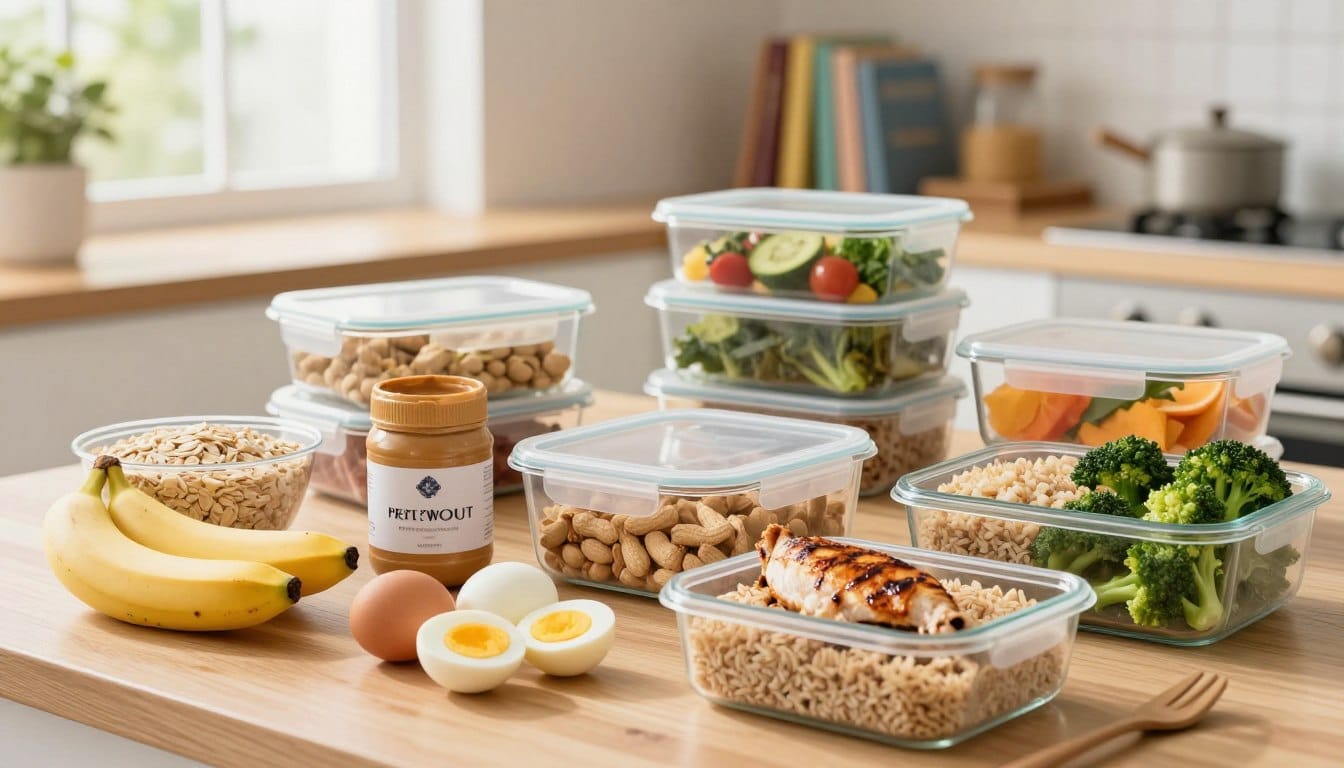
Mastering the art of meal prep is the ultimate secret to staying on track with your fitness goals without overspending. By dedicating a few hours each weekend to your kitchen, you can create budget-friendly workout meals that keep you fueled throughout the busy work week. This proactive approach eliminates the temptation of expensive takeout and ensures you always have a nutritious option ready.
Batch Cooking Chicken Breast and Ground Turkey
Lean proteins are the foundation of any effective fitness diet, but they can be costly if purchased in small quantities. Buying large packs of chicken breast or ground turkey in bulk allows you to cook a significant amount at once. Seasoning your proteins simply with salt, pepper, and garlic powder makes them versatile enough to pair with various sides throughout the week.
Once cooked, these proteins serve as the perfect base for your low-cost workout eats. You can easily shred the chicken for salads or use the ground turkey in stir-fries and grain bowls. This method saves you precious time during hectic weeknights when you might otherwise be tempted to order delivery.
Portioning Meals for the Week Ahead
Effective portioning is essential to ensure you do not overeat or waste food. Using standardized containers helps you keep track of your macronutrients while maintaining consistent energy levels. Divide your cooked proteins, grains, and vegetables into individual servings immediately after cooking to simplify your daily routine.
This habit prevents the “what should I eat?” dilemma that often leads to poor dietary choices. By having your meals pre-portioned, you gain better control over your nutrition and your grocery budget. It is a simple step that yields significant long-term results for your physical performance.
Storing Food Safely on a Budget
Proper storage is the final piece of the puzzle to keep your food fresh and safe to eat. You do not need expensive vacuum sealers to maintain quality; simple, airtight plastic or glass containers work perfectly well. Always allow your food to cool before sealing it to prevent excess moisture and bacterial growth.
Keep your prepped meals in the refrigerator for up to four days, or freeze portions that you plan to eat later in the week. This strategy ensures that your hard work in the kitchen remains delicious and safe until the very last bite. Below is a quick guide to help you organize your meal prep strategy effectively.
| Meal Component | Storage Method | Shelf Life (Fridge) |
|---|---|---|
| Cooked Chicken | Airtight Container | 3-4 Days |
| Ground Turkey | Airtight Container | 3-4 Days |
| Cooked Grains | Sealed Bag/Box | 4-5 Days |
| Fresh Vegetables | Crisper Drawer | 5-7 Days |
Hydration Strategies That Won’t Break the Bank
Proper hydration is the foundation of any effective fitness routine, and it is surprisingly cheap. Many people believe they need expensive supplements to perform well, but simple water is often the best low-cost exercise fuel available. Staying hydrated helps your muscles function correctly and keeps your energy levels steady throughout your training session.
Why Tap Water Is Your Best Friend
In the United States, tap water is highly regulated and safe to drink in most areas. It is essentially free compared to bottled alternatives or specialized sports beverages. Carrying a reusable water bottle is a smart way to ensure you have access to hydration whenever you need it.
You do not need to pay for fancy packaging or added flavors to get the hydration your body craves. By sticking to tap water, you save significant money over the course of a year. This habit is a cornerstone of cost-effective exercise nutrition that every athlete should adopt.
Making Your Own Electrolyte Drinks at Home
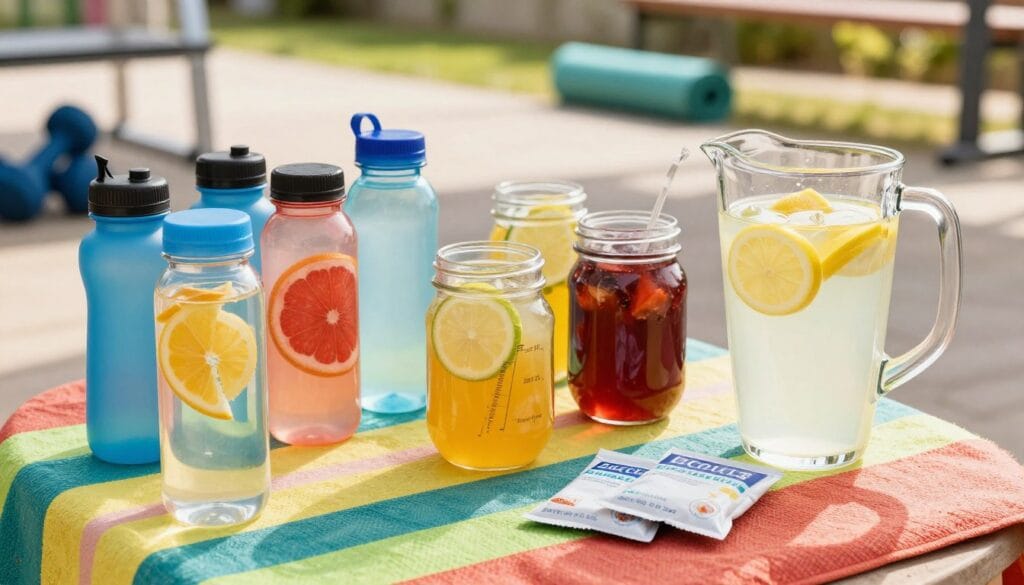
If you are engaging in high-intensity training for over an hour, you might need to replace lost electrolytes. You can easily create your own sports drink at home using basic pantry staples. Simply mix a pinch of sea salt, a squeeze of fresh lemon or lime juice, and a small amount of honey into a large bottle of water.
This DIY approach provides the necessary sodium and potassium to keep your muscles firing without the high price tag of commercial brands. It is a natural and healthy way to support your recovery. You control exactly what goes into your drink, avoiding unnecessary sugars and artificial dyes.
Avoiding Expensive Sports Drinks
Commercial sports drinks are often marketed with aggressive advertising that suggests they are essential for every workout. In reality, these products are frequently loaded with excessive sugar and expensive branding. Most casual athletes do not require the high calorie count found in these pre-packaged options.
By skipping the sports drink aisle, you keep more money in your pocket for high-quality whole foods. Focus on your hydration needs through water and balanced meals instead. This strategy ensures you remain hydrated while keeping your fitness budget firmly under control.
| Hydration Source | Cost | Nutrient Value | Best For |
|---|---|---|---|
| Tap Water | Negligible | Zero Calories | Daily Hydration |
| DIY Electrolyte Drink | Very Low | Sodium/Potassium | Long Workouts |
| Commercial Sports Drink | High | High Sugar | Professional Athletes |
Common Pitfalls to Avoid When Eating on a Budget
Achieving your fitness goals in the USA doesn’t have to be expensive, provided you know which traps to dodge. Many athletes accidentally drain their bank accounts by falling for common marketing tactics that promise quick results. By following these usa workout diet tips., you can keep your finances healthy while fueling your body for peak performance.
The Hidden Costs of Processed Protein Bars
Convenience often comes with a steep price tag in the world of sports nutrition. While protein bars are easy to grab on the go, they are frequently the most expensive way to consume your daily protein requirements.
Most of these bars cost significantly more per gram of protein than whole-food alternatives like eggs, Greek yogurt, or canned beans. You are essentially paying for the packaging and the marketing rather than the actual nutritional value.
Falling for Marketing Hype in the Supplement Aisle
The supplement industry spends millions of dollars to convince you that you need expensive powders and pills to see progress. In reality, most of these products offer minimal benefits for the average person.
Before you spend your hard-earned money, consider these points:
- Most essential nutrients are already available in affordable, whole-food sources.
- Fancy labels do not equate to better muscle recovery or strength gains.
- Many supplements are unregulated, meaning you might be paying for fillers.
Ignoring Local and Seasonal Produce
Many shoppers overlook the massive savings found in the produce section by ignoring what is currently in season. Buying out-of-season fruits and vegetables often leads to higher prices and lower quality.
Focusing on local, seasonal items is one of the best inexpensive gym meal ideas. that you can implement today. Not only will your grocery bill decrease, but you will also enjoy fresher, more nutrient-dense food that supports your recovery after a tough training session.
Conclusion
Achieving your peak physical performance does not require a massive bank account. Smart nutritional choices rely on consistent habits and careful planning rather than expensive trends or luxury items.
Focusing on whole foods from retailers like Aldi or Costco provides the essential nutrients your body needs to recover. You gain more value by prioritizing simple, effective ingredients over flashy marketing claims found in the supplement aisle.
Your dedication to meal prep and hydration creates a sustainable path toward your health goals. Small, intentional changes to your grocery list lead to significant improvements in your energy levels and overall well-being.
Take control of your fitness path today by applying these practical strategies. Share your favorite budget-friendly meal ideas with your workout partners to keep the momentum going. Your body will reward your commitment with better results and lasting vitality.
FAQ
What is the best strategy for what to eat before and after a workout when you’re on a tight budget in the USA?
The most effective strategy is to prioritize whole foods over processed convenience items. By focusing on affordable athletic nutrition staples like Quaker Oats, bananas, and bulk-purchased proteins, you can fuel your body effectively. Planning your workout meal ideas around sales at discount grocers like Aldi or Lidl ensures you get the nutrients you need without overspending on “fitness” branded products.
Are expensive supplements necessary to see results from my training?
Absolutely not. Many gym-goers fall into the trap of buying overpriced pre-workout powders and protein isolates. For cost-effective workout nutrition, you can replace these with low-cost exercise fuel like a cup of black coffee for energy and hard-boiled eggs or Greek yogurt for muscle recovery. Real food provides a broader spectrum of nutrients than most synthetic supplements can offer.
What are some affordable pre-workout snacks that provide lasting energy?
For budget-friendly exercise fuel, you can’t beat the combination of oats and bananas. Oats are incredibly cost-effective when bought in large canisters, providing the complex carbohydrates needed for sustained power. Another great option for low-cost workout eats is rice cakes with Jif peanut butter, which offers a perfect mix of quick energy and healthy fats to keep you satiated through your final set.
What are the best cheap post-workout meals for muscle recovery?
To maximize recovery with cheap post-workout fuel, look toward high-protein staples like StarKist canned tuna paired with whole grain pasta or brown rice. If you prefer plant-based options, lentils and chickpeas are some of the most economical fitness food options available. These provide the essential amino acids required to repair muscle tissue at a fraction of the cost of a steak dinner.
How can shopping at warehouse clubs like Costco or Sam’s Club help my fitness budget?
Buying in bulk at Costco or Sam’s Club is one of the best USA workout diet tips for long-term savings. Purchasing large quantities of Kirkland Signature chicken breasts, frozen broccoli, and massive bags of rice significantly lowers your price-per-serving. This budget-friendly fitness nutrition approach ensures your pantry is always stocked with the fuel you need, reducing the urge to buy expensive, last-minute snacks.
Why is meal prepping considered essential for inexpensive gym meal ideas?
Meal prepping is the ultimate tool for cost-effective exercise nutrition because it eliminates food waste and prevents expensive “impulse” stops at fast-food joints. By batch-cooking ground turkey or chicken on Sundays and portioning them out for the week, you ensure you always have budget-friendly workout meals ready to go. This consistency is what leads to physical results and financial stability.
Is frozen produce just as good as fresh for athletic performance?
Yes, frozen fruits and vegetables are often more nutrient-dense than fresh ones because they are picked and frozen at peak ripeness. For an athlete looking for economical gym food options, frozen spinach or berries are perfect for adding to smoothies or oatmeal. They are much cheaper than fresh produce and have a significantly longer shelf life, making them a staple of budget-friendly fitness nutrition.
What is the most cost-effective way to stay hydrated during intense exercise?
Skip the expensive Gatorade or BodyArmor and stick to tap water. If you are doing long-duration cardio and need electrolytes, you can create a DIY electrolyte drink using water, a pinch of Morton salt, and a squeeze of lemon or lime. This provides low-cost exercise fuel that keeps your performance high without the added sugars and high price tags of commercial sports drinks.
What common financial pitfalls should I avoid when buying fitness food?
One of the biggest drains on a fitness budget is the processed protein bar. While convenient, these often cost to per serving. Instead, opt for inexpensive gym meal ideas like a handful of peanuts or a hard-boiled egg. Additionally, avoid the marketing hype in the supplement aisle; focus your money on the perimeter of the grocery store where the real, economical fitness food options are located.