
A big change is happening in how Americans think about staying healthy. No longer is being tired the only sign of a good workout. The Ultra-Low Intensity Workout Trend That’s Taking Over the USA shows that easy movements can be as good as hard ones.
This new USA fitness craze, known as “zone zero” training, is all about lasting habits, not extreme effort. People are leaving behind the old idea that you must suffer to get fit. Now, they’re picking activities that feel good and help them stay healthy for a long time.
This method makes staying active easy for everyone, no matter their fitness level. It’s reshaping the national view on what counts as exercise. Whether you’re just starting or have been working out for years, these easy methods lead to more energy without the danger of getting too tired.
Key Takeaways
- “Zone zero” training focuses on gentle, lasting movements, not exhaustion.
- Americans are moving away from the “no pain, no gain” idea for better health.
- This approach is easy for people at all fitness levels.
- Low-stress activities help avoid burnout and improve health.
- The movement stresses the importance of enjoying and sticking with it for lasting success.
The Shift Away from High-Intensity Burnout
Many Americans feel more tired than energized from high-intensity workouts. The fitness world has long believed that only hard sweat is worth it. This constant pressure to always perform at top level has led to a big burnout problem.
Now, people are learning that hard workouts aren’t always the best. Overtraining can actually slow you down, not speed you up. When workouts feel like a fight, it’s hard to recover, leading to tiredness and losing motivation.
This change is part of a bigger move towards valuing recovery and lasting habits over quick, stressful goals. By choosing a balanced way, you can stay healthy without feeling drained. Here’s a table showing the old high-intensity way versus the new, sustainable path.
| Feature | High-Intensity Focus | Sustainable Approach |
|---|---|---|
| Primary Goal | Maximum Calorie Burn | Long-term Longevity |
| Recovery Time | Minimal/Ignored | Prioritized/Essential |
| Mental Impact | High Stress/Burnout | Mindful/Restorative |
| Sustainability | Short-term Results | Lifelong Consistency |
Changing from the “no pain, no gain” mindset helps build a healthier exercise habit. It’s time to rethink what success means in the gym. By choosing consistency over intensity, you can create a lasting routine that supports your body.
Understanding The Ultra-Low Intensity Workout Trend That’s Taking Over the USA
The latest fitness trend is all about zone zero. It’s a simple idea that focuses on gentle, consistent movement. Unlike hard workouts, it keeps your heart rate low, below 50% of its max.
Finding your heart rate limit is easy and doesn’t need fancy gear. Just subtract your age from 220. Staying under this number makes your activity helpful, not harmful.
Many American workout styles are moving away from the old “no pain, no gain” idea. Now, seeing movement as a daily habit is more popular. The goal is to eliminate sitting and keep your metabolism up without stress.
This slower pace has many health benefits:
- Improved consistency: Easy movements are easier to do every day.
- Reduced burnout: You won’t get as tired or stressed as with hard workouts.
- Better accessibility: Anyone can join in, no matter their fitness level.
- Enhanced recovery: Low-impact activities help your muscles heal.
Adding these small movements to your day builds a strong wellness base. It’s not about being the best or setting records. It’s about listening to your body and choosing activities that feel right and keep you energized.
The Science Behind Low-Impact Exercise Routines
The science behind low-impact exercise routines shows their power for our bodies. Many find that moving at a slow pace, keeping the heart rate under 50%, is very beneficial. This way, they can make steady progress without overdoing it.
Cortisol Regulation and Stress Reduction
High-intensity workouts can cause a big rise in cortisol, our main stress hormone. While some stress is good, too much can cause inflammation and tiredness. Low-intensity workouts help avoid this stress response.
This gentle way of moving keeps our hormones balanced all day. When cortisol stays steady, we recover better from daily stress. Mindful movement acts as a natural shield against today’s stress.
Metabolic Health and Fat Oxidation
Doing steady, light activities helps our bodies burn fat for energy. This fat burning is best when our heart rate is moderate. By focusing on low-intensity workouts, we get better at using fat for energy over time.
Also, regular movement helps control blood sugar and improve blood flow. These are key for staying healthy and preventing diseases. Choosing low-impact exercise routines keeps our hearts strong and protects our joints from damage.
Popular US Workout Trends Focusing on Longevity
The world of exercise is evolving. More people are choosing activities that help them age well. Popular US workout trends now focus on building habits that last a lifetime, not just quick fixes.
Fitness trends in the USA are changing. Gone are the days of “no pain, no gain.” Now, people want to improve their health in a way that’s sustainable. They aim to stay active without getting burned out.
The Rise of Zone 2 Training
Zone 2 training is all the rage. It’s a form of exercise where you can still talk while doing it. It’s great for building a strong aerobic base and boosting your body’s energy use.
Many experts are now doing this type of cardio. It helps the body use fat more efficiently. This is a key part of workout trends that focus on long-term health.
Walking as a Primary Fitness Pillar
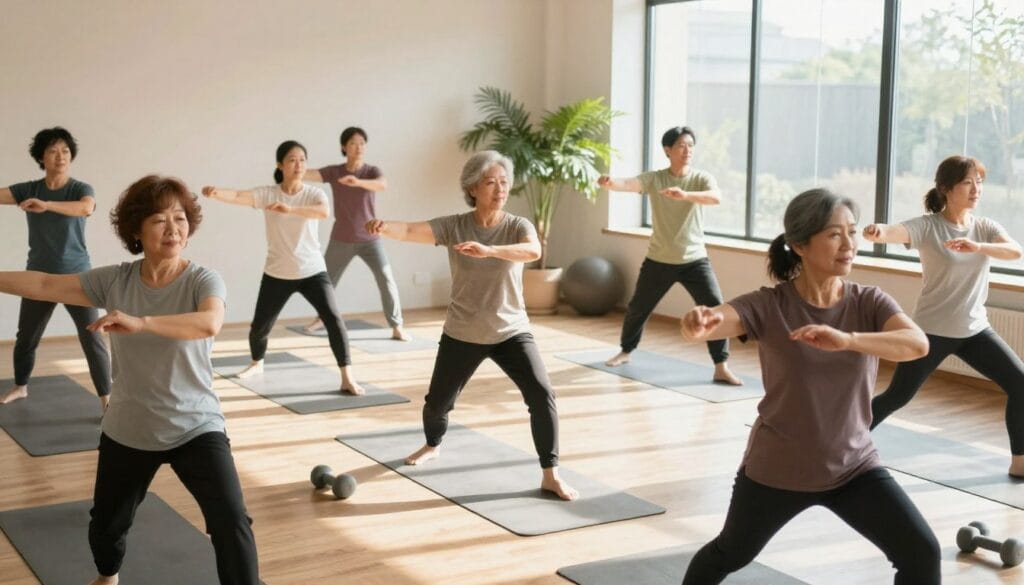
Walking is a big hit in the US. It’s easy to do and fits into any day. Studies show it can cut down on early death by 47% if you walk 7,000 steps a day.
Walking is good for both your body and mind. It can be as simple as a quick walk in the morning or during lunch. It shows that you don’t need intense workouts to live longer.
The Role of Mobility and Restorative Movement
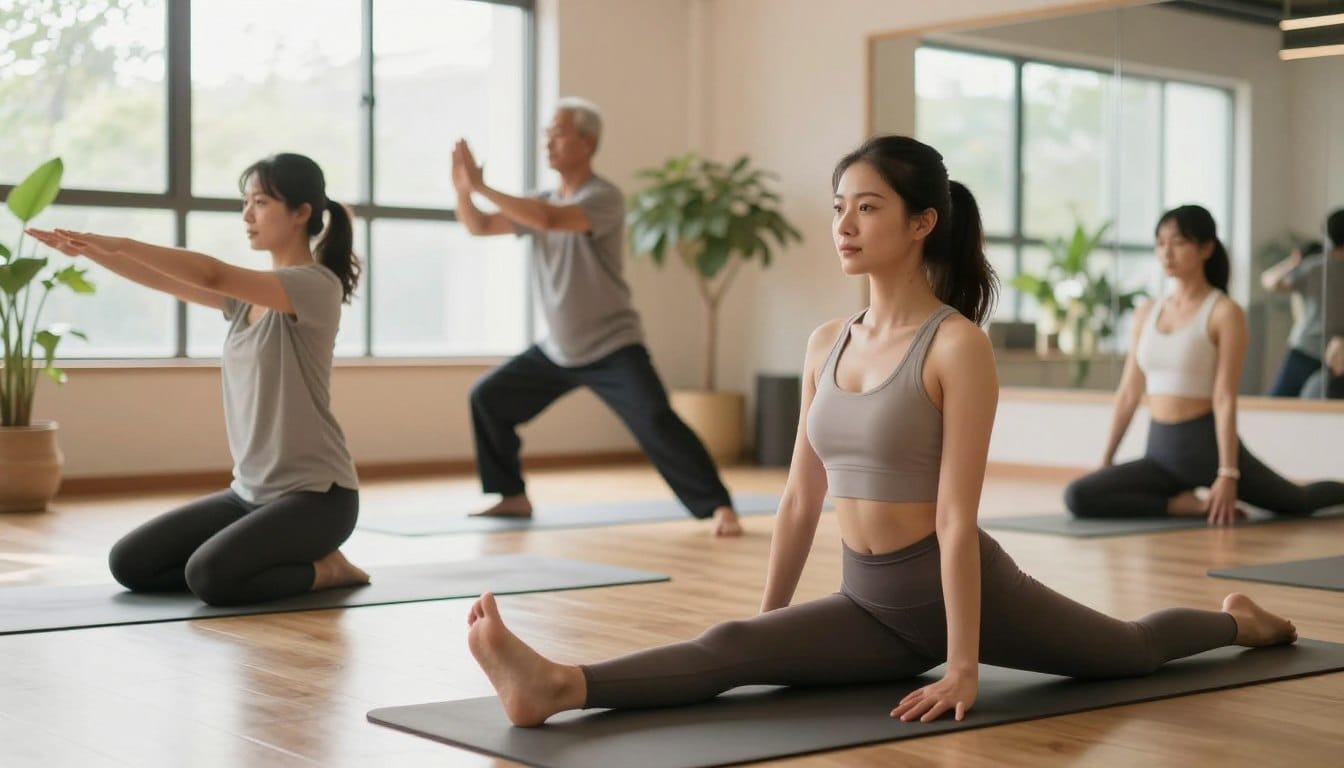
Many Americans are finding that long-term health comes from how well they move, not just how hard they train. Cardiovascular endurance is important, but true freedom comes from moving without pain. These popular us workout trends show that longevity depends on healthy joints and flexible tissues.
Restorative movement is key to counteracting modern life’s stresses. By focusing on mobility, you can undo stiffness from sitting too much. This keeps your body resilient and able to handle daily tasks with ease and grace.
Functional Range Conditioning
Functional Range Conditioning, or FRC, is becoming popular for joint health. It’s different from traditional stretching because it expands your active range of motion while strengthening the tissues at their limits. It’s a key part of popular us workout trends that focus on preventing injuries.
Training your nervous system to control your joints makes your body more stable and durable. This is great for improving athletic performance or just moving better in daily life. Here are the main benefits of adding FRC to your routine:
- Increased joint longevity by keeping cartilage and synovial fluid healthy.
- Enhanced body control through better neuromuscular connections.
- Reduced risk of injury by strengthening tissues in vulnerable positions.
The Integration of Yin Yoga and Pilates
Yin Yoga and Pilates together offer a balanced fitness approach. Pilates builds core stability and muscle endurance, while Yin Yoga targets deep connective tissues. They support both strength and flexibility.
Yin Yoga promotes a meditative state, allowing you to hold poses to release tension. Pilates helps maintain proper posture all day. These popular us workout trends show you don’t need intense movements to be fit.
By combining these practices, you get a routine that challenges and recovers your body. This holistic approach is vital for an active life into old age. Consistency is the key to unlocking these movements’ full benefits.
Why Americans Are Embracing Slower Fitness
The way Americans work out is changing. More people are choosing slow, mindful exercises over intense workouts. This shift is away from extreme effort and towards lasting, easy-to-maintain habits that fit into a busy life.
Combating Modern Sedentary Lifestyles
Many Americans sit a lot, whether at work or during long commutes. This sitting can make us stiff and hurt our health. Low-intensity exercises are a good way to fight this.
These gentle activities help balance out the harm of sitting. They make staying active easy for everyone, not just the fit. It turns exercise into a daily habit, not a hard task.
Mental Health Benefits of Mindful Movement
Slow workouts also help our minds. They reduce stress and clear our minds after a tough day. Many see this USA fitness craze as a way to recharge and take back their time.
Slow movement helps us connect with our bodies and minds. It brings calm in our fast-paced lives. By slowing down, we find a better way to stay well for the long term.
| Feature | High-Intensity | Low-Intensity |
|---|---|---|
| Primary Goal | Rapid Calorie Burn | Sustainable Longevity |
| Stress Impact | Increases Cortisol | Promotes Relaxation |
| Recovery Time | Longer Periods | Minimal Downtime |
| Accessibility | Limited/Advanced | Universal/Beginner |
Comparing Low-Intensity vs. High-Intensity Training
It’s important to know how different training intensities help in fitness. High-intensity workouts push your heart hard, while low impact exercise routines build a solid base. Mixing both helps your body grow without too much stress.
Recovery Times and Injury Prevention
High-intensity workouts need a lot of rest for muscles to heal. On the other hand, active recovery, or zone zero, keeps you moving gently. This is key to avoid injuries from too much hard work.
Adding low impact exercise routines helps your muscles heal faster. Remember, zone zero is not a replacement for strength training. It’s a helpful tool to keep your joints loose and your mind clear between tough workouts.
Sustainability for Long-Term Fitness Goals
Sticking to one intensity can lead to a fitness plateau or burnout. Success comes from mixing different intensities to challenge and rest your body. Consistency is key, and a varied routine keeps you active for years, not just months.
By mixing low impact exercise routines with tough workouts, you set up a lasting fitness plan. This balanced approach keeps your fitness journey fun and productive. The table below shows the main differences to help plan your week.
| Feature | High-Intensity Training | Low-Intensity Training |
|---|---|---|
| Primary Goal | Performance & Power | Recovery & Longevity |
| Recovery Need | High (24-48 hours) | Minimal (Immediate) |
| Injury Risk | Moderate to High | Very Low |
| Best For | Building Strength | Active Recovery |
How to Build a Sustainable Low-Intensity Routine
You can improve your health with simple, low intensity workouts in your daily life. Success comes from being consistent, not from being too hard on yourself. Start with small habits that support your body for the long run.
Setting Realistic Daily Movement Targets
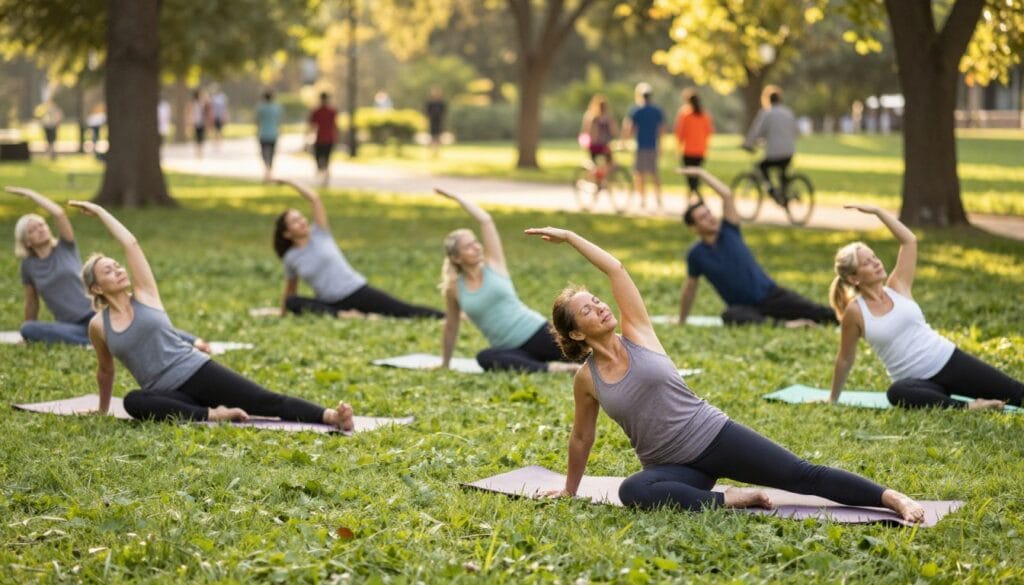
Begin by setting small, reachable goals for your movement. You don’t need to spend hours at the gym to see changes. Try adding 10 to 15 minutes of walking or stretching to your day.
These short activities keep your metabolism up without exhausting you. Zone zero movement, like light walking or stretching, is great for recovery. It’s important but should not replace strength training.
Incorporating Low-Impact Equipment
Using simple tools can boost your progress. A standing desk is a great way to move more while working. It helps keep your muscles active all day.
Resistance bands are also great for low intensity workouts without heavy weights. They’re easy to carry, affordable, and help build strength at your own speed. Choosing the right equipment makes sticking to your fitness plan easier.
The Influence of Social Media on Fitness Trends in the USA
Social media is now the main driver of fitness trends in the USA. Sites like TikTok and Instagram have changed how we see exercise. They focus on easy, lasting habits over hard gym workouts. This change is helping many Americans enjoy moving again.
The Viral Nature of Walking Challenges
Viral content has made low-intensity workout trends super popular. Challenges like “12-3-30” or daily step goals have caught the eye of millions. They show that you don’t need hard workouts to get results.
- Accessibility: Most challenges need only a pair of sneakers.
- Visibility: Seeing others succeed motivates beginners to start.
- Simplicity: Easy-to-follow steps make these routines easy to share.
Community-Driven Fitness Movements
Online communities offer the support needed to keep going. These digital spaces act as virtual buddies, making workout trends feel like a team effort. By sharing progress and tips, users build a supportive space for success.
This feeling of belonging is key to the rise of fitness trends in the USA. Feeling part of a group helps people stay on track. Digital connections are helping the whole country move towards a healthier lifestyle.
Overcoming the No Pain No Gain Mentality
The old American workout styles focused too much on being hard. But now, we’re moving towards a better way. For years, people thought they had to be in pain to work out right. This led to burnout, injuries, and made exercise seem bad.
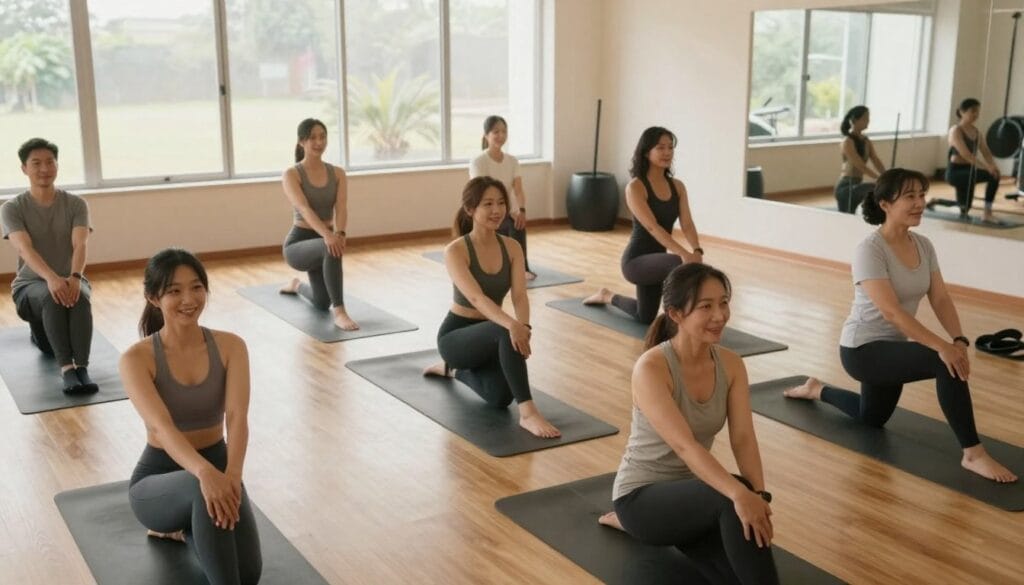
Redefining Success in Physical Fitness
Now, we measure fitness by how well we feel over time, not just how hard we push. Focusing on feeling good, not just suffering, leads to lasting health. This new way lets you enjoy American workout styles that are about being consistent, not just exhausting.
Real progress is about showing up every day. Setting goals based on how your body feels helps you stay positive. This makes fitness a joy, not a burden.
Listening to Your Body Signals
It’s key to listen to your body to avoid overdoing it. Your body tells you when you’re tired, sore, or feeling clear. Paying attention to these signs can prevent problems.
Knowing the difference between good and bad pain is crucial. Honoring your body’s signals builds a better relationship with yourself. This is what modern American workout styles are all about.
| Feature | No Pain, No Gain | Intuitive Movement |
|---|---|---|
| Primary Goal | Maximum Intensity | Sustainable Vitality |
| Body Signals | Ignored or Pushed Through | Respected and Analyzed |
| Risk Level | High Injury Potential | Low Injury Potential |
| Long-term Result | Frequent Burnout | Lifelong Consistency |
Conclusion
Americans are changing how they see physical health. You don’t have to exhaust yourself to get results. True fitness comes from daily habits, not just intense workouts.
Choosing gentle activities helps your body recover and builds strength for the long run. It’s good for your joints and keeps stress low. You can move in ways that feel natural and healing for you.
Begin by adding small, easy changes to your day. A morning walk or some stretching can make a big difference. Being consistent will improve your mind and body over time.
Listen to what your body needs to feel good. This will help you move towards a healthier life. By picking sustainable habits now, you’ll have a more vibrant future.
FAQ
What exactly is the ultra-low intensity workout trend that’s taking over the usa?
This trend, known as Zone Zero training, is all about gentle exercises. Your heart rate should stay below 50% of its maximum capacity. It’s not about intense workouts but about moving as a lifestyle.
To know your Zone Zero, subtract your age from 220. Staying below half of that number means you’re in the restorative “Zone Zero” range.
How do low intensity workouts help with stress and cortisol regulation?
A: Low intensity workouts are great for managing cortisol levels. Unlike HIIT, which can raise stress hormones, slow movements like Yin Yoga or Functional Range Conditioning calm the nervous system. They improve metabolic markers without stressing the heart too much.
Why is there a growing usa fitness craze surrounding walking and Zone 2 cardio?
The craze is about longevity. People now focus on health over looks. Studies show 7,000 steps a day can cut early death risk by 47%.
Using tools like the Apple Watch or Garmin helps track Zone 2 cardio. This shows that steady, moderate exercise is better for long-term health than short, intense bursts.
How do american workout styles differ when comparing low-impact vs. high-impact routines?
A: American workout styles now balance performance with injury prevention. High-impact routines boost explosive power, but low impact exercise routines aid in recovery. Mixing both helps avoid burnout and keeps people active as they age.
What are the most popular us workout trends for those with a sedentary office job?
For office workers, “micro-movements” and walking pads are top trends. Brands like WalkingPad and Urevo help meet step goals while working. Adding 10 to 15 minutes of intentional stretching or using Theragun therapy is also common.
How are fitness trends in the usa influenced by social media and wearable technology?
Social media and wearables shape fitness trends in the usa. Platforms like TikTok and Instagram drive trends like the “Hot Girl Walk” or 75 Soft. They focus on consistency over intensity. Wearables like the Oura Ring and WHOOP also promote slower, mindful movement based on body signals.
Is it possible to see results without the “No Pain, No Gain” mentality?
Yes, it is. Success in fitness means listening to your body signals instead of ignoring pain. Low impact exercise routines like Pilates or walking improve health and efficiency without harming joints. Success is now about sustainability and consistent movement, not quick fixes.