
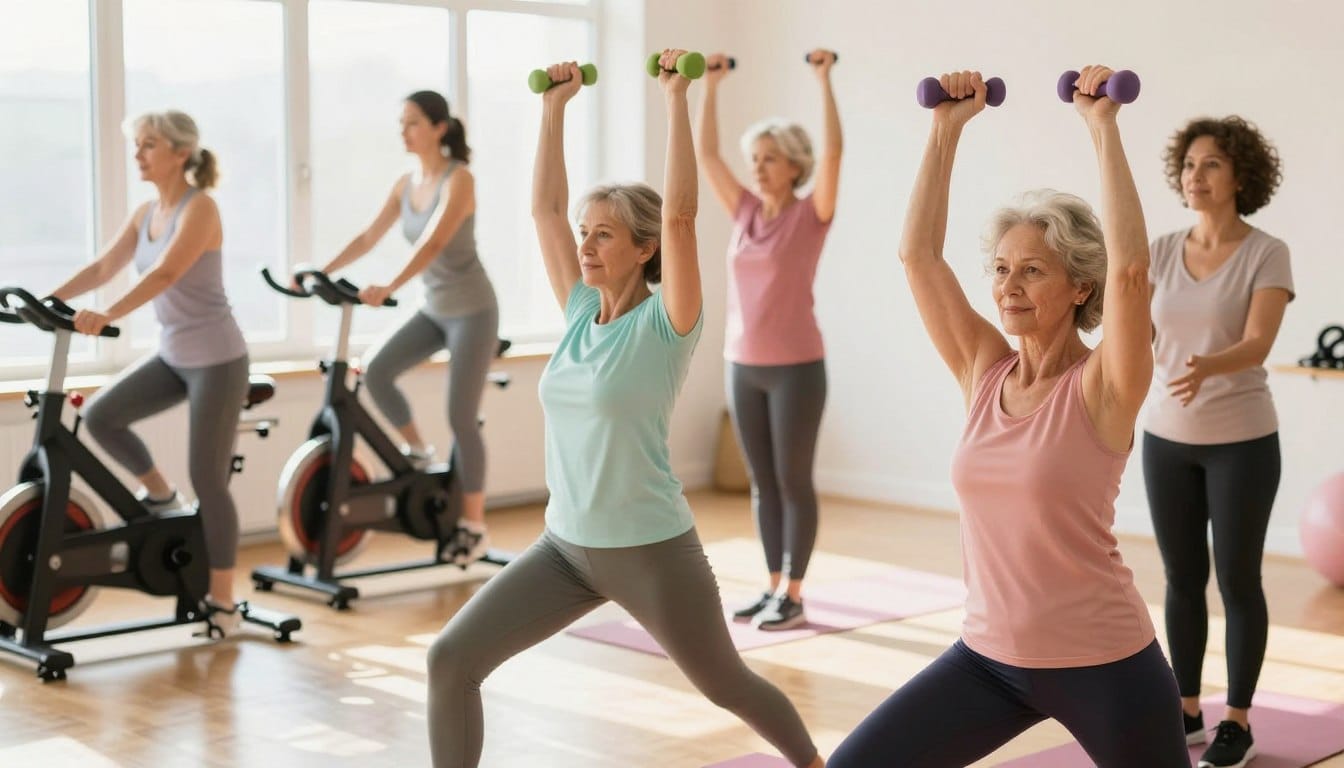

Going through menopause is a big change. It’s not just about losing weight or looking good. It’s about building long-term vitality and keeping your hormones balanced.
Science has changed how we see fitness for women. It’s not a one-size-fits-all thing. Personalized exercise helps manage the changes of this life stage.
Focus on getting stronger, recovering well, and staying consistent. Prioritizing your well-being today means you’ll stay strong and full of energy for the future.
Key Takeaways
- Shift your focus from weight loss to building functional strength and bone density.
- Prioritize hormonal balance through consistent, moderate physical activity.
- Adopt a personalized routine that respects your body’s changing recovery needs.
- Understand that midlife health is a holistic journey involving both physical and emotional wellness.
- Embrace movement as a tool for long-term vitality rather than a temporary fix.
Understanding the Hormonal Landscape of Menopause
To master your fitness, you need to understand the hormonal changes in menopause. This time brings a mix of chemical signals that affect your body every day. Knowing how these changes work helps you support your health with smart lifestyle choices.
The Shift in Estrogen and Its Impact on Metabolism
Estrogen is key in controlling your metabolic rate and energy use. As estrogen levels fall, your body burns energy less efficiently. This change often makes you feel different during daily tasks.
With less estrogen, your body might not keep up as well. This is why old workout plans may not work anymore. It’s important to adjust your fitness routine to keep your metabolism healthy.
Why Muscle Mass Declines During the Transition
As you go through menopause, your muscle mass naturally decreases. This is called sarcopenia, caused by hormone drops that help build muscle. Maintaining strength is crucial to fight this decline.
Without enough challenge, your muscles can lose tone and function. Adding menopause exercise tips to your routine tells your body to keep muscle. Strength training is a great way to keep your metabolism up and your body strong.
The Connection Between Cortisol and Midsection Weight Gain
Menopause makes your body more sensitive to stress, raising cortisol levels. This hormone promotes fat storage, especially around the belly. It’s a common issue, but knowing the cause helps you tackle it.
High cortisol can mess with your sleep and recovery, making fitness goals harder. Managing hormonal changes in menopause needs a mix of exercise and stress relief. Focus on recovery to help your body adjust to these changes.
The Core Pillars of Fitness for Women Going Through Menopause: What Actually Helps in 2026
Building a good menopause fitness routine means working smart, not hard. Your body changes a lot during menopause, so your workout plan needs to change too. Focus on three key areas to stay healthy and full of energy.
Prioritizing Progressive Overload for Bone Density
Strength training is crucial for fitness for women going through menopause. As estrogen drops, bones get weaker, raising fracture risks. Progressive overload—gradually increasing workout weights—is best for keeping bones strong.
You don’t need to lift heavy every day. Small, steady increases in strength are better. This keeps muscles strong and bones healthy against future risks.
Integrating High-Intensity Interval Training Safely
High-Intensity Interval Training (HIIT) boosts heart health quickly. But, do it carefully to avoid stressing your body too much. Quality over quantity is key for heart health during menopause.
Limit HIIT to once or twice a week. Always warm up well and rest enough between intervals. This way, you get heart benefits without too much stress.
The Role of Low-Impact Steady State Cardio
Low-Impact Steady State (LISS) cardio is a gentle yet effective base for your week. Activities like brisk walking, swimming, or cycling are good for the heart without hurting joints. Consistency is the key for better endurance and recovery.
LISS on rest days keeps your metabolism up and muscles repairing. It’s a great balance to intense workouts, keeping you active without exhaustion. By combining these three, you build a strong health plan for 2026 and beyond.
Strength Training Strategies for Long-Term Vitality
Strength training is key for long-term health during menopause. It helps build lean muscle, protecting bones and keeping metabolism healthy. Starting a menopause strength training program is empowering for your future.
Compound Movements to Maximize Efficiency
Compound movements are great for busy women. They work many muscles at once, like squats, deadlifts, and overhead presses. These exercises grow muscle fast, making them efficient for a tight schedule.
These movements boost functional strength for everyday tasks. They improve balance and stability. Adding them to your routine maximizes gym time.
Equipment Essentials for Home and Gym Workouts
You don’t need a big home gym to start. Simple tools help build consistency before moving to more equipment. Here are the basics for your menopause strength training journey:
- Resistance Bands: Great for travel and adding tension to bodyweight exercises.
- Adjustable Dumbbells: Saves space and grows with your strength.
- Kettlebells: Excellent for dynamic, full-body compound exercises.
- Gym Machines: Good for isolating specific muscles in a stable environment.
Recovery Protocols Between Strength Sessions
Recovery is as crucial as the workout. Your body needs time to repair and manage stress during menopause. Skipping rest days can cause burnout and slow progress.
Focus on quality sleep and enough protein. Take at least one full day off between intense workouts. Listening to your body is key for a sustainable menopause strength training plan. It keeps you active and injury-free for years.
Managing Menopause Weight Management Through Movement
Understanding your metabolism is key to managing menopause weight management. Many women find it hard to keep their weight as they age. This is often due to hormonal changes affecting how energy is stored and used.
By changing your approach, you can take back control. This will help you feel more confident in your daily life.
The Truth About Caloric Expenditure and Metabolic Rate
As you get older, your basal metabolic rate (BMR) slows down. This means your body needs fewer calories at rest than before.
It’s important to see this as a natural process, not a personal failure. Instead of drastically cutting calories, focus on eating nutrient-dense foods. These support your changing hormonal needs.
Non-Exercise Activity Thermogenesis (NEAT) Explained
While gym workouts are important, your daily movement is crucial too. This is called Non-Exercise Activity Thermogenesis, or NEAT.
NEAT includes activities like walking, cleaning, or taking the stairs. Increasing these activities can boost your daily energy use without extra stress.
Try to stand or walk more at work to keep your metabolism up. These simple habits are some of the best menopause exercise tips for lasting success.
Balancing Cardio and Resistance for Body Composition
To improve your body composition, mix cardio and strength training. Cardio supports heart health and calorie burning. Resistance training builds muscle, keeping your metabolism active.
Do at least two to three strength training days a week to keep bones and muscles strong. Add low-impact cardio like brisk walking or swimming to keep joints happy.
Finding the right balance is crucial for lasting menopause exercise tips that fit your lifestyle. Consistency is more important than intensity for achieving your goals during this time.
Mobility and Flexibility as Essential Wellness Strategies
Keeping your body moving is key to staying healthy during menopause. It’s not just about how hard you work out. Focusing on menopause wellness strategies that help your joints is crucial. This way, you can avoid the aches and pains that often come with this stage of life.
Addressing Joint Stiffness and Range of Motion
Joint stiffness can come from hormonal changes and less activity. By making mobility a priority, you keep your joints and tissues flexible. This is especially important when doing menopause strength training, as it lets your muscles move freely.
Moving regularly helps prevent chronic pain that can stop you from exercising. Dynamic stretches improve your ability to do everyday tasks easily. Staying limber helps you stay independent and confident in your body.
Yoga and Pilates for Pelvic Floor Health
Yoga and Pilates do more than just stretch you out. They’re great for strengthening the pelvic floor, which can weaken during menopause. A strong core supports your organs and improves your posture, especially during intense workouts.
These low-impact activities help women connect with their bodies in a meaningful way. They provide a solid base for your menopause strength training efforts. This approach keeps your body strong and balanced.
Daily Stretching Routines to Reduce Inflammation
Inflammation can make you feel sore or tired, making it hard to keep up with workouts. Simple daily stretches can calm your nervous system and aid in recovery. These menopause wellness strategies don’t take up a lot of time; just ten minutes a day can make a big difference.
Focus on gentle exercises for your hips, shoulders, and spine to release tension. Consistency is the key to improving your flexibility and feeling better. Making these small changes can lead to a healthier, happier life every day.
Optimizing Energy Levels Through Strategic Activity
Matching your workout to your natural energy cycles can change your health for the better. Many women see their energy levels change a lot because of hormonal changes in menopause. By noticing these changes, you can make a plan that helps your body, not hurts it.

Timing Workouts to Align with Circadian Rhythms
Your body has an internal clock that controls when you’re awake and asleep. Some women feel most awake in the morning, while others do better in the late afternoon. Listening to your body helps you know when you’re ready for a tough workout.
If mornings are hard for you, try working out when your body is warmer. Being flexible with your schedule helps you do your best. This way, you stay consistent without fighting your body’s natural rhythm.
Managing Fatigue and Avoiding Overtraining
Fatigue is common, but it shouldn’t last forever. It’s important to know the difference between good tiredness and too much. If you’re always tired, irritable, or weak, your body needs a break.
Adding easy days, like walking or stretching, can help. Prioritizing rest doesn’t mean you’re failing. It means you’re smart about your goals. Taking a break lets your muscles heal and your hormones balance out.
The Impact of Sleep Quality on Exercise Performance
Sleep and exercise are connected in a big way. Good sleep makes you stronger, and working out helps you sleep better. When you’re well-rested, you can handle workouts better.
Try a calming evening routine to tell your brain it’s time to sleep. Avoid screens and keep your room cool to sleep better. Better sleep means more energy, which is good for your workouts.
| Strategy | Benefit | Action Item |
|---|---|---|
| Circadian Alignment | Peak Performance | Track energy levels for one week |
| Active Recovery | Prevents Burnout | Swap heavy lifting for yoga |
| Sleep Hygiene | Hormonal Balance | Set a consistent bedtime |
| Intensity Scaling | Injury Prevention | Monitor heart rate variability |
Nutrition and Hydration to Support Your Fitness Routine
Good nutrition and hydration are key for a successful menopause fitness plan. Exercise gets your body ready for change. But what you eat gives your body the tools to repair and grow. Keeping your diet in check helps your body stay strong during this time.
Protein Requirements for Muscle Maintenance
As you get older, your body needs more protein to keep muscles strong. Eating high-quality protein sources like lean meats, legumes, and Greek yogurt is crucial. Eating protein at every meal helps your muscles recover and stay strong.
Focus on protein for more than just looks. It’s about keeping your metabolism healthy. Enough amino acids help your muscles, which keeps your metabolism going. This simple change can greatly improve your body’s shape.
Hydration Strategies for Temperature Regulation
Drinking enough water is key for managing exercise stress, especially with hot flashes. Water helps cool your body down during workouts. Try to drink water all day, not just when you’re thirsty.
If water alone is hard to drink, try adding electrolytes or fruit slices. Drinking enough water also helps your joints and keeps your energy up. Drinking water regularly helps control temperature changes during exercise.
Supplements That Complement Menopause Fitness
While food is best, some supplements can help too. They can support bone health and energy levels. Always talk to a doctor before starting any supplements to make sure they’re right for you.
- Calcium and Vitamin D: Essential for maintaining strong bones and preventing density loss.
- Magnesium: Known for supporting muscle relaxation and improving sleep quality.
- Omega-3 Fatty Acids: Helpful for reducing inflammation and supporting heart health.
- Creatine Monohydrate: A well-researched option for supporting muscle strength and cognitive function.
Mental Health Benefits of Staying Active During Menopause
Your fitness journey during menopause brings big benefits for your mind and body. Many women focus on physical changes, but the mental benefits of movement are just as important. Staying active is a key menopause fitness best practice for a positive outlook.
Reducing Anxiety and Mood Swings Through Exercise
Exercise helps regulate your brain chemistry. It releases endorphins and dopamine, which stabilize mood swings and reduce anxiety. This balance is crucial during hormonal changes in menopause.
Regular movement gives your nervous system a healthy way to handle stress. It helps manage weight by lowering cortisol levels, which are linked to emotional eating. Feeling calm and centered is easier when you’re active.

Building Community and Accountability
Feeling isolated can make menopause’s challenges seem overwhelming. Joining a fitness group or finding a workout buddy offers the support you need. Sharing your journey with someone makes it more fun and keeps you going on tough days.
Having someone to hold you accountable helps you stick to your routine. Whether it’s a walking group or a strength training class, community connection is key. It helps you feel part of a larger group, which is essential for success in wellness programs.
Tracking Non-Scale Victories for Motivation
It’s time to stop letting the scale define your success. Focus on non-scale victories that show your progress and energy. These victories are often better indicators of your health than a number.
Track these improvements to stay motivated:
- Increased strength during your daily lifting sessions.
- Better sleep quality and feeling more rested in the morning.
- Improved mood and a greater sense of mental clarity.
- Higher energy levels throughout the afternoon.
By celebrating these wins, you reinforce positive habits for menopause weight management. Remember, your dedication to yourself is the most important metric.
Conclusion
As you move through this life stage, it’s time to see your body in a new light. You can change your health by using lasting menopause wellness strategies. These focus on keeping you healthy for the long run, not just quick fixes.
Being consistent is key to reaching your fitness goals. Small steps every day help your body adapt to hormonal changes. You don’t need to be perfect to see real improvements in your strength and energy.
Adding resistance training, mobility exercises, and healthy eating to your routine is smart. These strategies help you take charge of your health with confidence. You’re building a stronger, better version of yourself for the future.
See this time as a chance to invest in your future self. Begin by adding one small habit that respects your body’s needs. Your dedication to these habits will pay off in 2026 and for years to come.
FAQ
How do hormonal changes in menopause impact my ability to stay fit?
Hormonal changes in menopause can slow your metabolism and reduce bone density. This often leads to more fat around your midsection. But, a menopause fitness routine can help manage these changes. The Mayo Clinic says staying active keeps your hormones balanced and boosts your energy.
What are the most effective menopause weight management strategies for 2026?
The best way to manage weight in menopause is through resistance training and increasing Non-Exercise Activity Thermogenesis (NEAT). This means being active all day, like taking the stairs or walking your dog. Use tools like an Apple Watch or Garmin to track your activity. Mix this with strength training to burn calories and build muscle.
Why is menopause strength training prioritized over traditional cardio?
Strength training is key in menopause because it fights muscle loss. It also helps grow bones and prevent osteoporosis. Use tools like Rogue Fitness or resistance bands for exercises like squats and deadlifts. These are great for your metabolism.
Do you have any menopause exercise tips for managing fatigue and cortisol?
To fight fatigue, work with your body’s natural rhythms. Do your workouts when you have the most energy. Avoid overtraining to keep cortisol levels down. Mix in low-impact cardio or a relaxing bike ride to recover without exhausting yourself.
How do menopause wellness strategies like Yoga and Pilates help during this transition?
Yoga and Pilates improve flexibility and mobility, helping with joint stiffness and pelvic health. These practices, found on platforms like Alo Moves or Glo, reduce inflammation. They’re vital for keeping your body resilient and injury-free, allowing you to stay active.
What role does nutrition and protein play in a menopause fitness routine?
Good nutrition is crucial for your menopause fitness routine. Your body needs more protein to keep muscle mass. Eat high-quality protein at every meal and consider supplements like Thorne or Momentous. Staying hydrated helps manage hot flashes during and after workouts.
How can exercise improve my mental health and mood swings during menopause?
Exercise helps manage mood swings and anxiety in menopause. It releases endorphins and balances mood chemicals. Building a community through classes or online groups adds support and motivation. Focus on feeling stronger or sleeping better, not just weight loss.