
Maintaining an active lifestyle is vital as we age, especially when managing skeletal health. Many older adults in the United States worry that movement might lead to injury, but staying sedentary often increases fracture risks. Finding the best low-impact exercises for seniors with osteoporosis is a proactive way to maintain your independence and vitality.
Targeted physical activity helps preserve density and improves balance, which is essential for preventing falls. By focusing on safe bone strengthening, you can protect your frame while enjoying daily activities. These gentle protocols are designed to support your physiological needs without putting undue stress on your joints. Embracing these habits today ensures a more mobile and confident future.
Key Takeaways
- Regular movement is essential for maintaining skeletal health and preventing fractures in older adults.
- Low-impact routines provide a gentle way to improve balance and coordination.
- Targeted physical activity helps mitigate the risks associated with fragile skeletal structures.
- Consistent practice promotes long-term independence and overall physical well-being.
- Consulting with a healthcare provider ensures that your routine is tailored to your specific needs.
Understanding Osteoporosis and the Role of Physical Activity
Protecting your skeletal structure starts with a clear understanding of how bones change over time. Many people assume that bone loss is an inevitable part of aging, but proactive movement can significantly alter this trajectory. By incorporating safe exercises for seniors with osteoporosis, you can maintain your independence and quality of life.
How Bone Density Changes with Age
Throughout our lives, our bones are in a constant state of renewal. Specialized cells break down old bone tissue while others build new, stronger material in its place. As we enter our later years, this balance often shifts, leading to a gradual decline in elderly bone health.
When the rate of bone breakdown exceeds the rate of formation, bones become porous and fragile. This condition, known as osteoporosis, increases the risk of fractures during everyday activities. Understanding this biological shift is essential for choosing the right types of physical support.
The Importance of Mechanical Loading for Bone Remodeling
Bones are living tissues that respond to the physical demands placed upon them. This process, called mechanical loading, occurs when your muscles pull on your bones during movement. This tension signals the body to deposit more minerals, effectively strengthening the skeletal frame.
Without regular, gentle stress, bones may lose their density more rapidly. Engaging in weight-bearing activities ensures that your bones receive the necessary signals to stay robust. It is a natural way to support your long-term structural integrity.
Setting Realistic Fitness Goals for Seniors
Starting a new routine should always be done with caution and patience. The goal is to improve elderly bone health without placing undue stress on your joints or spine. You should focus on consistency rather than intensity to see the best results over time.
Begin by setting small, achievable milestones that fit your current fitness level. Whether it is a short daily walk or light resistance training, these habits build a foundation for success. Always prioritize safe exercises for seniors with osteoporosis to ensure your journey remains both effective and injury-free.
The Science Behind Safe Bone Strengthening
The secret to maintaining bone density lies in the fascinating way our bodies adapt to physical stress. When we engage in specific movements, we send signals to our skeletal system to reinforce its structure. This biological process is the foundation for all successful fitness programs designed for aging adults.
Wolff’s Law and Bone Adaptation
In the 19th century, anatomist Julius Wolff discovered that bones are dynamic tissues that change based on the forces applied to them. Wolff’s Law states that bone grows and remodels in response to the loads placed upon it. When you apply consistent, controlled pressure, your body deposits more minerals into the bone matrix.
This adaptation makes the bone denser and more resilient over time. By choosing the right movements, you can effectively signal your body to prioritize skeletal strength. This natural process remains active throughout your life, provided you give your bones the right stimulus.
Why Low-Impact Does Not Mean Low-Effectiveness
Many people mistakenly believe that only high-impact activities can improve bone density. However, low-impact workouts for bone health are highly effective because they provide consistent mechanical loading without the risk of joint damage. You do not need to jump or run to trigger the necessary bone-building response.
Controlled resistance and gravity-based movements offer enough stress to stimulate osteoblasts, which are the cells responsible for bone formation. These gentle yet purposeful actions ensure that you can build strength safely. Consistency is far more important than the intensity of a single workout session.
Measuring Progress in Bone Health
Tracking your success is a vital part of any long-term wellness plan. Medical professionals typically use a DEXA scan to measure bone mineral density with high precision. This non-invasive test provides a clear snapshot of your skeletal health and helps your doctor tailor your routine.
Beyond clinical scans, you can monitor your progress through improved balance, increased daily activity levels, and reduced joint stiffness. Engaging in bone-strengthening activities for older adults should feel rewarding as you notice your body becoming more capable. Always consult with your healthcare provider to interpret your results and adjust your goals as needed.
Best Low-Impact Exercises for Seniors With Osteoporosis Safe Bone Strengthening
Choosing the right physical activities is the cornerstone of any effective seniors osteoporosis exercise program. When you prioritize safety, you can maintain your independence and improve your overall quality of life. It is essential to focus on movements that provide mechanical loading without placing undue stress on fragile bones.
Defining Low-Impact vs. High-Impact Movements
Understanding the difference between impact levels is vital for your long-term health. High-impact activities, such as running or jumping, involve both feet leaving the ground simultaneously, which creates significant force upon landing. For those with compromised bone density, this force can increase the risk of fractures.
In contrast, low-impact movements ensure that at least one foot remains in contact with the floor at all times. These low-impact exercise routines for seniors with osteoporosis provide the necessary stimulation for bone remodeling while keeping your joints protected. By choosing these controlled motions, you significantly reduce the likelihood of accidental injury.
Selecting Exercises That Minimize Fracture Risk
When building your osteoporosis exercise plan, focus on movements that emphasize stability and controlled resistance. Exercises like stationary cycling, swimming, or using an elliptical machine allow you to build strength without the jarring impact of traditional aerobics. These activities are highly recommended because they support bone health while minimizing the risk of falls.
Always prioritize exercises that improve your balance and core strength. Strengthening the muscles around your spine and hips provides a natural “corset” of support for your skeleton. Incorporating these movements helps you move through your daily life with greater confidence and physical security.
Creating a Sustainable Weekly Exercise Schedule
Consistency is the key to success, but you must balance activity with adequate recovery time. A well-structured schedule allows your body to adapt to the new stresses of exercise without becoming overtaxed. Aim for a routine that includes a mix of aerobic, strength, and balance training throughout the week.
| Exercise Category | Frequency | Primary Benefit |
|---|---|---|
| Low-Impact Aerobics | 3-4 times/week | Cardiovascular health |
| Resistance Training | 2-3 times/week | Bone density support |
| Balance & Stability | Daily | Fall prevention |
| Rest & Recovery | 1-2 days/week | Muscle repair |
Remember that your personal comfort should always guide your progress. If a specific movement causes pain, stop immediately and consult with a professional to adjust your approach. By following a steady, manageable plan, you can safely enhance your bone health for years to come.
Benefits of Weight-Bearing Exercises for Bone Density
Engaging in consistent movement against gravity is one of the most effective ways to support bone density. These osteoporosis-friendly exercises for seniors work by placing a healthy amount of stress on the skeletal system. This process encourages the body to deposit more minerals into the bone matrix, effectively strengthening your frame over time.
Walking as a Foundation for Bone Health
Walking is perhaps the most accessible form of exercise for maintaining skeletal integrity. It provides a gentle, rhythmic impact that stimulates bone remodeling without overwhelming your joints. Consistency is key, so aim for brisk walks on flat, even terrain to maximize the benefits for your hips and spine.
Stair Climbing and Gravity-Based Resistance
When you climb stairs, you are performing a powerful gravity-based movement that requires more effort than walking on level ground. This added resistance helps build strength in the lower body while simultaneously promoting bone density in the legs and pelvis. Incorporating these osteoporosis-friendly workouts into your week can significantly improve your functional independence.
Proper Footwear and Surface Selection for Safety
Safety remains the top priority when performing any routine to improve your physical health. Always wear supportive, well-cushioned athletic shoes that provide excellent arch support and shock absorption. Furthermore, choose surfaces like smooth pavement or rubberized tracks to minimize the risk of tripping or slipping during your bone health exercises.
| Activity Type | Primary Benefit | Impact Level |
|---|---|---|
| Brisk Walking | Cardiovascular & Bone Density | Low |
| Stair Climbing | Lower Body Strength | Low-Moderate |
| Hiking on Trails | Balance & Bone Loading | Moderate |
Low-Impact Aerobic Activities for Cardiovascular and Bone Health
Aerobic exercise provides a powerful way to boost heart health without placing undue stress on fragile bones. Engaging in consistent movement helps maintain circulation and supports metabolic function, which are vital for long-term health. By choosing the right low-impact workouts for bone health, you can improve your stamina while keeping your skeletal system safe from high-impact trauma.
Stationary Cycling for Joint Protection
Stationary cycling is an excellent choice for those who need to avoid the jarring impact of running or jogging. Because the bike supports your body weight, your knees and hips experience significantly less pressure during the workout. This makes it one of the best low-impact exercises for seniors with osteoporosis who want to keep their heart rate elevated.
You can easily adjust the resistance levels to match your current fitness level. Consistent cycling helps build muscle endurance in the legs, which provides better support for your joints over time.
Elliptical Training for Full-Body Engagement
The elliptical machine offers a unique advantage by engaging both the upper and lower body simultaneously. This fluid motion mimics walking or running but eliminates the harsh heel-strike impact that can be detrimental to bone health. It is widely considered one of the best low-impact exercises for seniors with osteoporosis because it promotes a natural range of motion.
Using the handles allows you to incorporate your arms, which increases the total caloric burn and improves coordination. Always ensure you maintain an upright posture to maximize the benefits for your core and spine.
Low-Impact Aerobic Classes for Social Wellness
Participating in group fitness is a fantastic way to stay motivated and connected with your community. These senior wellness activities often include rhythmic movements set to music, which can improve your mood and cognitive function. The social aspect of these classes is just as important as the physical benefits for your overall health.
Many community centers offer specialized programs designed specifically for older adults. Engaging in these senior wellness activities helps you stay consistent with your exercise routine while building meaningful friendships.
| Activity Type | Joint Impact Level | Primary Benefit | Social Potential |
|---|---|---|---|
| Stationary Cycling | Very Low | Leg Strength | Low |
| Elliptical Training | Low | Full-Body Tone | Low |
| Group Aerobics | Low to Moderate | Heart Health | High |
Strength Training Principles for Aging Adults
Building muscle mass through targeted movement is essential for long-term bone health. When you engage in bone-strengthening activities for older adults, you provide the necessary mechanical load to keep your skeleton resilient. This process helps maintain density and prevents the rapid decline often associated with inactivity.
Adopting a consistent exercise for aging adults program requires focusing on safety and controlled progression. By prioritizing form over intensity, you can build a solid foundation that supports your joints and improves your daily quality of life.
Using Resistance Bands for Controlled Tension
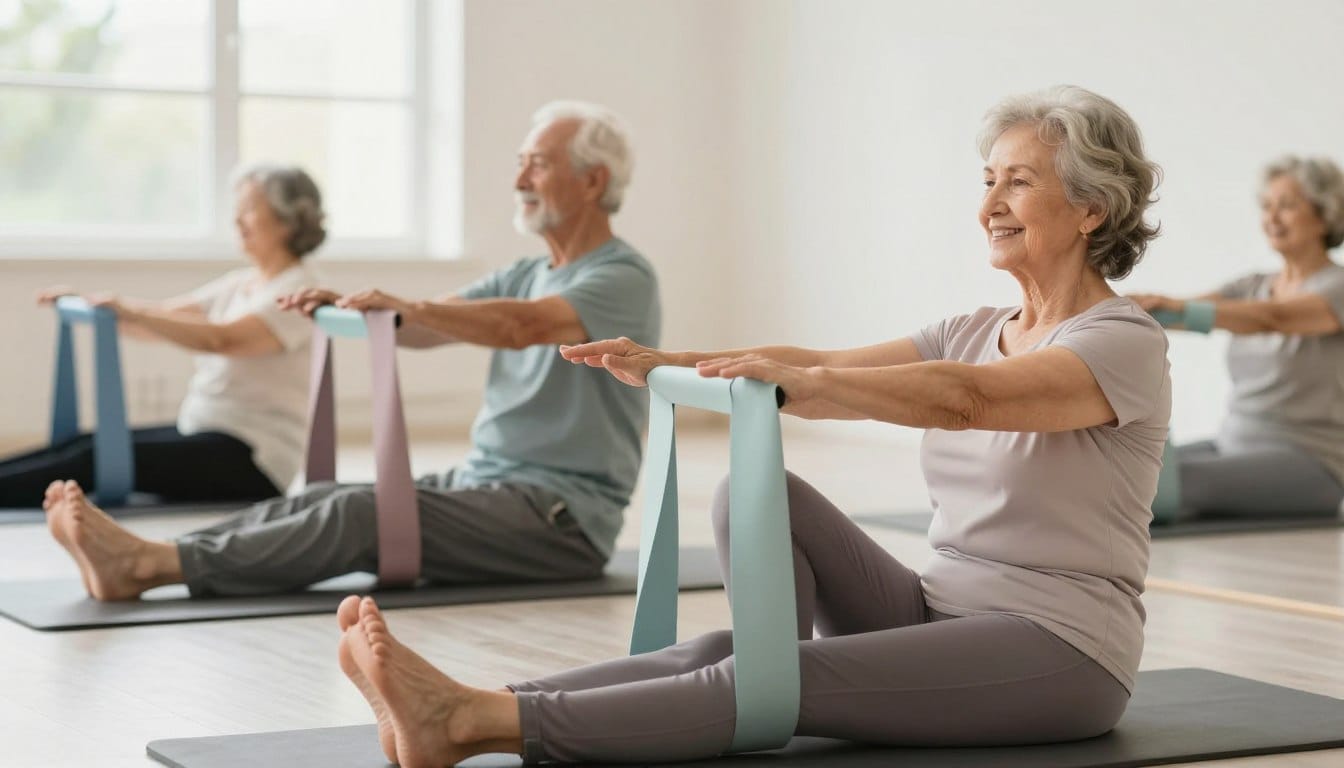
Resistance bands are an excellent tool for seniors because they provide constant, smooth tension throughout every movement. Unlike heavy iron weights, bands allow you to adjust the resistance level easily based on your current strength. This makes them a safe and versatile option for those looking to improve muscle tone without putting excessive strain on their joints.
Bodyweight Exercises for Functional Strength
Functional strength is the ability to perform everyday tasks with ease and confidence. Simple movements like chair squats, wall push-ups, and calf raises utilize your own body weight to build stability. These bone-strengthening activities for older adults are highly effective because they mimic natural human movement patterns.
The Role of Light Dumbbells in Bone Stimulation
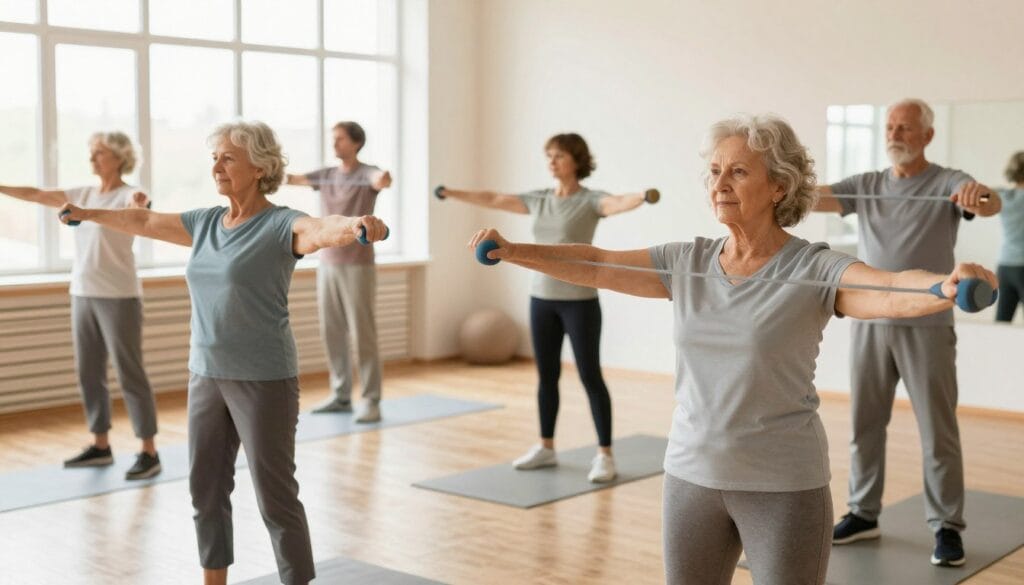
Incorporating light dumbbells into your routine adds a layer of gravity-based resistance that is vital for bone remodeling. Even small amounts of weight can trigger the body to deposit more minerals into the bone matrix. This specific type of exercise for aging adults ensures that your bones remain strong enough to handle the demands of an active lifestyle.
| Method | Primary Benefit | Safety Level | Equipment Needed |
|---|---|---|---|
| Resistance Bands | Constant Tension | High | Elastic Bands |
| Bodyweight | Functional Mobility | Very High | None |
| Light Dumbbells | Bone Stimulation | Moderate | Small Weights |
Balance and Stability Exercises to Prevent Falls
Preventing falls is a primary goal for anyone managing osteoporosis, and specific exercises can help you stay steady on your feet. When you prioritize senior fitness for bone health, you reduce the risk of fractures that often occur from simple slips. Developing better proprioception allows your body to react quickly to changes in your environment.
Single-Leg Stance Techniques
The single-leg stance is a foundational movement that challenges your equilibrium in a controlled manner. To begin, stand near a sturdy chair or kitchen counter for support. Slowly lift one foot off the ground while keeping your spine tall and your gaze forward.
Hold this position for ten to fifteen seconds before switching legs. As you gain confidence, try to hover your hand just above the support surface rather than gripping it tightly. This simple practice is one of the most effective bone health exercises for daily stability.
Heel-to-Toe Walking for Coordination
Heel-to-toe walking, often called tandem walking, mimics the precision required for navigating narrow spaces. Place your heel directly in front of the toes of your opposite foot with each step. Imagine you are walking along a straight line on the floor.
Keep your arms out to the sides if you need extra help with balance. This exercise sharpens your coordination and helps you maintain a secure gait during everyday activities. Consistent practice will make you feel much more confident when walking on uneven surfaces.
Core Strengthening to Improve Postural Stability
A strong core acts as the anchor for your entire body, providing the support needed to stay upright. When your abdominal and back muscles are engaged, your posture naturally improves, which shifts your center of gravity to a safer position. Integrating these movements into your routine is a vital component of senior fitness for bone health.
Focus on gentle, controlled movements that do not strain your spine. By building a solid midsection, you create a reliable base that protects your bones and enhances your overall movement quality. These bone health exercises are essential for maintaining independence and preventing injury.
| Exercise Type | Primary Benefit | Difficulty Level |
|---|---|---|
| Single-Leg Stance | Improves static balance | Beginner |
| Heel-to-Toe Walk | Enhances dynamic coordination | Intermediate |
| Core Bracing | Increases postural support | Beginner |
Flexibility and Range of Motion Routines
Beyond strength and balance, your daily movement quality depends heavily on how well your muscles and joints can stretch. Maintaining a full range of motion is a cornerstone of functional independence for those managing bone density concerns. By integrating low-impact exercise routines for seniors with osteoporosis, you can protect your skeletal health while keeping your body fluid and capable.
Gentle Stretching for Muscle Suppleness
Stretching should never be aggressive or painful. Instead, focus on slow, controlled movements that encourage muscles to lengthen without putting undue stress on your bones. Consistency is far more important than intensity when you are working to improve muscle suppleness.
Try holding gentle stretches for 20 to 30 seconds, breathing deeply throughout each movement. This practice helps release tension in the hamstrings, calves, and shoulders, which are common areas of tightness. Always ensure you are in a stable position, such as sitting in a sturdy chair or holding onto a wall, to maintain your safety.
Reducing Stiffness to Improve Movement Quality
Aging often brings a natural reduction in joint lubrication, leading to that familiar feeling of morning stiffness. Regular movement acts as a natural lubricant for your joints, helping you navigate your day with greater ease. Reducing stiffness is not just about comfort; it is a vital strategy for preventing accidental falls and injuries.
When your muscles are supple, your body can react more effectively to unexpected changes in your environment. This improved movement quality allows you to perform daily tasks like reaching for a shelf or bending to tie your shoes with confidence. By prioritizing these movements, you create a safer foundation for all your other physical activities.
Daily Mobility Routines for Seniors
You do not need a gym membership to see real results in your mobility. Simple, low-impact fitness routines performed at home can make a significant difference in your long-term health. Dedicating just ten minutes each morning to gentle rotation and extension exercises can set a positive tone for your entire day.
Consider incorporating neck rolls, shoulder shrugs, and ankle circles into your morning routine. These small, deliberate actions keep your joints active and your circulation flowing. Commitment to these daily habits will help you maintain the freedom to move, explore, and enjoy your favorite activities for years to come.
Water-Based Workouts for Joint-Friendly Resistance
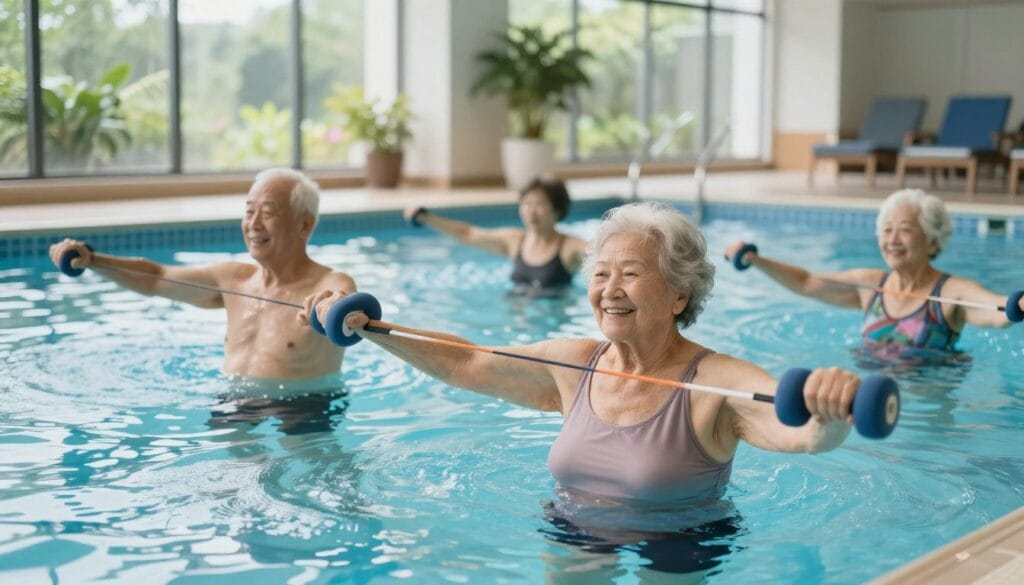
Aquatic workouts provide a supportive environment that minimizes stress on your joints while maximizing muscle engagement. For many seniors, the pool serves as an ideal setting to maintain physical activity without the harsh impact associated with traditional land-based routines. These osteoporosis-friendly workouts allow you to move freely while the water supports your body weight.
Hydrotherapy and Water Aerobics Benefits
Hydrotherapy utilizes the natural properties of water to improve mobility and reduce pain. The buoyancy of the water effectively offloads the spine and hips, which is crucial for those managing bone density concerns. By participating in regular water aerobics, you can improve your cardiovascular health while keeping your joints safe from excessive strain.
Using Water Resistance to Build Muscle Safely
Water provides natural resistance in every direction, which helps to strengthen muscles without the need for heavy weights. This constant, gentle resistance is excellent for elderly bone health because it encourages muscle activation around the bones. You can perform movements at your own pace, ensuring that you remain in control of your intensity level at all times.
Finding Local Aquatic Programs in the USA
Accessing these programs is easier than ever across the United States. Many local YMCAs, community recreation centers, and senior living facilities offer specialized classes designed for older adults. It is recommended to contact your local health department or community center to find a certified instructor who understands the specific needs of individuals with bone density challenges.
| Exercise Type | Joint Impact | Resistance Source | Primary Benefit |
|---|---|---|---|
| Walking on Land | Moderate to High | Gravity | Bone Loading |
| Water Aerobics | Very Low | Water Density | Muscle Toning |
| Stationary Cycling | Low | Mechanical | Endurance |
Integrating Yoga and Tai Chi into Your Wellness Plan
If you are seeking low-impact ways to stay active, consider the transformative power of ancient movement arts. These practices offer a unique approach to senior wellness activities that prioritize both physical safety and mental clarity. By focusing on controlled movements, you can build strength without placing undue stress on your skeletal system.
Modifying Yoga Poses for Osteoporosis
Yoga is a wonderful tool for flexibility, but it requires careful adjustments when you have low bone density. It is essential to avoid deep forward folds or aggressive spinal twists that put excessive pressure on the vertebrae. Instead, focus on supported poses that emphasize neutral spine alignment and gentle muscle engagement.
Many osteoporosis-friendly exercises for seniors involve using props like blocks, straps, or chairs to provide stability. These modifications allow you to reap the benefits of a pose while keeping your spine protected. Always listen to your body and prioritize comfort over achieving a “perfect” pose.
Tai Chi for Mind-Body Balance and Fall Prevention
Tai Chi is often described as meditation in motion, making it an ideal choice for improving balance. The slow, rhythmic nature of these movements helps you develop better spatial awareness and core control. This is particularly effective for reducing the risk of falls, which is a primary concern for those managing bone health.
Because the movements are fluid and continuous, they provide a gentle form of weight-bearing exercise. You are constantly shifting your center of gravity, which helps strengthen the muscles surrounding your joints. This practice fosters a sense of calm while simultaneously building the physical resilience needed for daily life.
Selecting Certified Instructors for Senior Fitness
Finding the right guidance is crucial when starting a new movement program. Look for instructors who hold specific certifications in senior fitness for bone health or geriatric exercise science. A qualified teacher will understand the nuances of your condition and provide personalized modifications during class.
Do not hesitate to ask potential instructors about their experience with students who have osteoporosis. A good professional will be happy to discuss how they adapt their curriculum to ensure safety for every participant. Investing time in finding the right mentor will significantly enhance your long-term success.
| Feature | Yoga Benefits | Tai Chi Benefits |
|---|---|---|
| Primary Focus | Flexibility & Strength | Balance & Coordination |
| Movement Style | Static & Controlled | Flowing & Continuous |
| Bone Impact | Low-Impact Loading | Gravity-Based Stability |
| Mental Effect | Deep Relaxation | Mindful Awareness |
Safety Precautions and Movements to Avoid
Knowing which movements to avoid is just as vital as choosing the right exercises for your bone health. When you focus on safe exercises for seniors with osteoporosis, you create a foundation that protects your skeletal integrity while building strength.
Exercises That Put Excessive Stress on the Spine
Many traditional core exercises, such as sit-ups or deep forward folds, can place dangerous pressure on the vertebrae. These movements often involve extreme spinal flexion, which may increase the risk of compression fractures in weakened bones.
Instead of these high-risk motions, focus on neutral spine exercises. Engaging your core through gentle bracing or planks against a wall provides stability without compromising your spinal health.
Avoiding High-Impact Jumping and Twisting
Sudden, jarring movements are generally discouraged because they create unpredictable forces on your joints and bones. Activities like jumping rope, high-impact aerobics, or sports involving rapid, forceful twisting can lead to accidental fractures.
It is best to replace these activities with controlled, fluid motions. By keeping your feet grounded or using smooth, rhythmic movements, you minimize the risk of sudden impact while still reaping the benefits of physical activity.
Recognizing Signs of Overexertion and Pain
Learning to listen to your body is a critical skill for anyone maintaining low-impact fitness routines. Sharp, stabbing pain is a clear signal that you must stop immediately and reassess your current movement.
Dull aches or fatigue are common, but they should never be ignored if they persist beyond your workout. Always prioritize recovery and consult with a professional if you feel discomfort that does not subside with rest.
Working with Healthcare Professionals and Physical Therapists
Your journey toward better bone density should always begin with a conversation with your medical team. Engaging with experts ensures that your physical activity remains both effective and safe for your unique skeletal structure.
Consulting Your Physician Before Starting a Program
Before you begin any new movement routine, schedule a visit with your primary care doctor or a specialist. They can evaluate your current health status and identify any specific limitations you might have. A well-structured seniors osteoporosis exercise program is built upon a foundation of medical clearance and professional advice.
The Role of Physical Therapy in Personalized Care
Physical therapists are essential partners in your wellness journey. They provide personalized guidance to ensure you perform movements with the correct form, which significantly reduces the risk of injury. By working with a therapist, you can develop an exercise for aging adults strategy that targets your specific needs while protecting your spine and joints.
Monitoring Bone Density Through DEXA Scans
Tracking your progress is a vital component of long-term bone health management. Regular DEXA scans provide objective data that helps your medical team adjust your osteoporosis exercise plan as needed. Consistent monitoring allows you to see how your efforts translate into improved bone density over time, keeping you motivated and informed.
| Professional Role | Primary Responsibility | Benefit to You |
|---|---|---|
| Physician | Medical Clearance | Ensures overall safety |
| Physical Therapist | Form Correction | Prevents injury risk |
| Radiologist | DEXA Analysis | Tracks bone density |
Conclusion
Taking control of your physical well-being starts with small, intentional steps toward better skeletal support. Consistent bone health exercises provide the foundation needed to maintain your independence and vitality for years to come.
You possess the power to reduce fracture risks by staying active every single day. Integrating these movements into your routine creates a sustainable path toward improved stability and confidence. Your commitment to these bone health exercises serves as a vital investment in your long-term quality of life.
Reach out to your primary care physician or a local physical therapist to tailor these strategies to your specific needs. Sharing your progress with friends or joining a community fitness group can keep your motivation high. Start your journey today to ensure your body remains resilient, capable, and strong throughout your golden years.
FAQ
Q: What are the best low-impact exercises for seniors with osteoporosis for safe bone strengthening?
A: The best low-impact exercises for seniors with osteoporosis focus on weight-bearing movements that do not involve jumping or high-impact jarring. Activities such as walking, using an elliptical trainer, and stair climbing are excellent for safe bone strengthening. These movements provide enough mechanical loading to stimulate bone density while minimizing the risk of stress fractures, making them ideal for elderly bone health.
Q: How often should I perform a seniors osteoporosis exercise program?
A: For optimal results, a seniors osteoporosis exercise program should be performed at least three to four days a week. A well-rounded osteoporosis exercise plan should include a mix of aerobic activity, resistance training with resistance bands, and balance exercises. Consistency is the key to maintaining senior fitness for bone health and ensuring long-term skeletal integrity.
Q: Why are low-impact workouts for bone health safer than traditional high-impact routines?
A: Low-impact workouts for bone health are designed to protect fragile skeletal structures by keeping one foot on the ground at all times. Unlike running or jumping, low-impact exercise routines for seniors with osteoporosis reduce the peak force placed on the spine and hips. This approach allows for safe exercises for seniors with osteoporosis that still trigger Wolff’s Law, ensuring bones adapt and strengthen without the risk of injury.
Q: Can strength training be included in exercise for aging adults with low bone density?
A: Absolutely. Strength training is a critical component of exercise for aging adults. By using light dumbbells or bodyweight resistance, seniors can engage in bone-strengthening activities for older adults that improve muscle mass and bone mineral density. These osteoporosis-friendly workouts provide the necessary tension to keep bones strong and resilient against fractures.
Q: Are there specific osteoporosis-friendly exercises for seniors that improve balance?
A: Yes, balance is a vital part of any osteoporosis-friendly exercises for seniors routine. Activities like Tai Chi, single-leg stances, and heel-to-toe walking are essential for preventing falls. These senior wellness activities enhance coordination and core stability, which are the best defenses against the falls that often lead to osteoporotic fractures.
Q: What should be included in a comprehensive osteoporosis exercise plan?
A: A comprehensive osteoporosis exercise plan must be multi-faceted. It should prioritize bone health exercises such as weight-bearing aerobics, resistance training for major muscle groups, and flexibility routines to maintain a full range of motion. Utilizing low-impact fitness routines ensures that the body remains active and mobile while adhering to the safety standards required for those with decreased bone density.
Q: How do aquatic programs contribute to safe exercises for seniors with osteoporosis?
A: While water-based exercises are not weight-bearing, they are excellent osteoporosis-friendly workouts for building muscular strength and cardiovascular health without joint pain. For those with severe osteoporosis, hydrotherapy serves as one of the best low-impact exercises for seniors with osteoporosis to build a foundation of strength before transitioning to gravity-based bone-strengthening activities for older adults.
Q: Why is it important to consult a professional before starting low-impact exercise routines for seniors with osteoporosis?
A: Consulting a physician or a physical therapist is necessary to tailor low-impact exercise routines for seniors with osteoporosis to your specific bone density T-score. Professionals can help you identify which bone health exercises are safest for your current condition and ensure you avoid dangerous movements like deep forward bends or extreme twisting, keeping your senior wellness activities both effective and secure.