
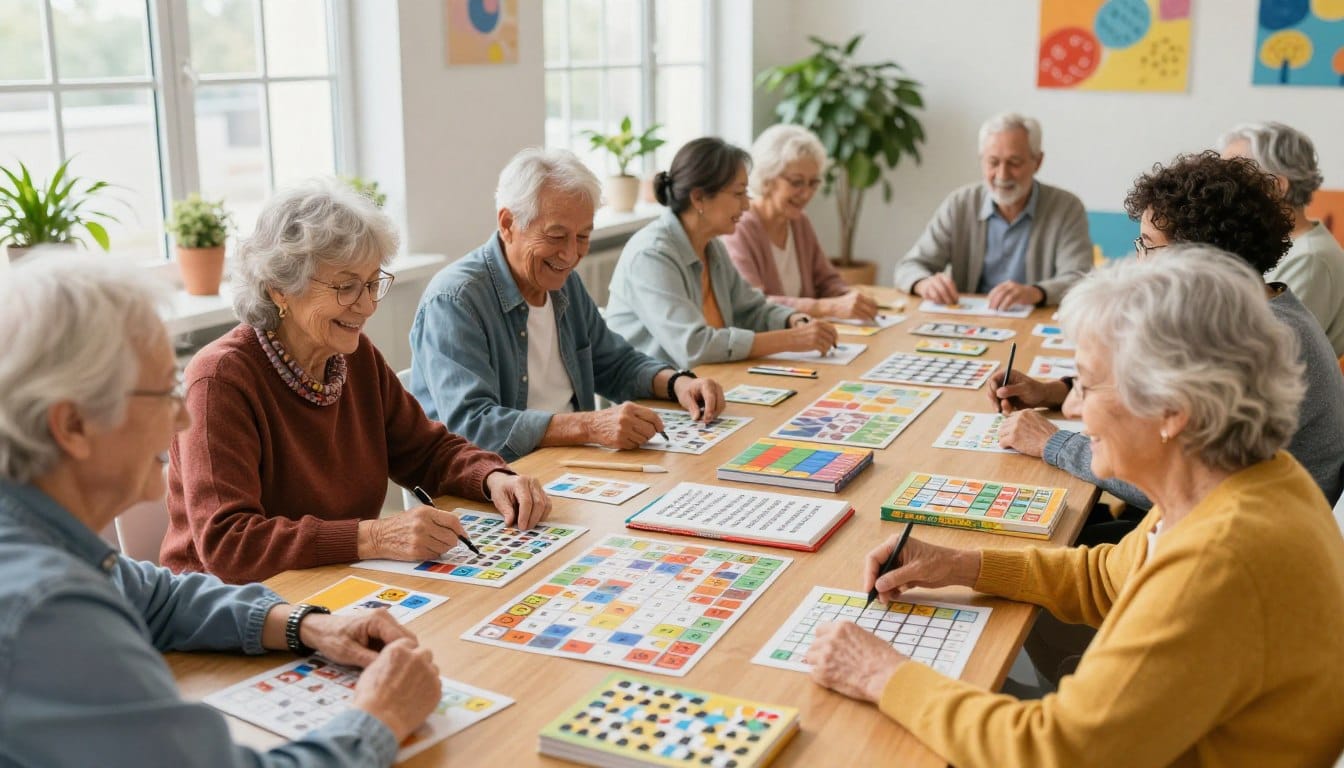

Welcome to your essential resource for keeping your mind sharp. As we age, it’s crucial to stay mentally active for our long-term health. This article is your guide, offering simple habits that fit easily into your day.
We think that keeping your mind active is key to staying independent and happy. By using proven methods, you can improve your well-being right now. Learn the best brain exercises for seniors over 70 that really help your mind stay clear.
Our goal is to give you easy, science-backed activities. Whether you want to improve your focus or keep your mind quick, this Best Brain Exercises for Seniors Over 70 to Prevent Memory Loss Daily Guide USA has what you need.
Key Takeaways
- Mental stimulation is crucial for preserving cognitive function in later life.
- Consistent, small habits yield the most significant long-term results.
- Evidence-based activities help maintain focus and mental sharpness.
- This guide offers practical, easy-to-follow steps for your routine.
- Taking control of your mental health fosters independence and confidence.
Understanding Cognitive Health After 70
As we hit our seventies, our brains go through changes that affect memory and focus. It’s important to embrace these changes with curiosity and care. By following simple tips, you can keep your mind sharp and enjoy life more.
The Natural Aging Process and Memory
It’s normal to forget things as we age. You might struggle to find a word or remember where you put your keys. These small issues are usually just signs of a busy mind.
But, it’s key to know when forgetfulness is a bigger problem. By focusing on senior memory loss prevention activities, you build your brain’s strength. This helps your brain adjust to the changes that come with age.
Signs of Cognitive Decline to Monitor
While some forgetfulness is okay, certain signs might mean you need to see a doctor. Being aware of these changes helps you get help early. Look out for these signs:
- Difficulty completing familiar daily tasks, such as cooking a favorite recipe.
- Frequent confusion regarding time, place, or the current date.
- Noticeable changes in personality or mood that seem out of character.
- Persistent challenges with problem-solving or planning simple activities.
The Importance of Proactive Mental Stimulation
Your brain is like a muscle that needs regular exercise and new challenges. Doing senior memory loss prevention activities keeps your brain sharp. Whether it’s solving puzzles or learning a new skill, every effort helps.
Consistency is key. Adding small, meaningful tasks to your day helps keep your brain healthy. Remember, every small step today makes tomorrow brighter.
The Science Behind Neuroplasticity in Older Adults
Your brain has a remarkable capacity to change and adapt, no matter your age. For a long time, we thought the adult brain was fixed. But now, we know it’s dynamic throughout life.
This amazing ability is called neuroplasticity. It lets your brain make new connections. This way, you can keep learning and adapting, even as you get older.
How the Aging Brain Continues to Learn
Learning isn’t just for the young. When you try new things, your brain makes new paths. This is key to lifelong cognitive health.
Trying new hobbies or skills keeps your brain active. The more you challenge yourself, the stronger your brain gets.
The Role of Synaptic Connections
Think of your brain as a vast network of roads. Synapses are where information moves between neurons. As you age, some roads might get less use, but they don’t disappear.
When you focus, you create new, faster paths for your thoughts. Consistent mental activity keeps these connections strong. That’s why staying curious is crucial for your mental clarity.
Evidence-Based Benefits of Mental Exercises
Studies show that cognitive stimulation for elderly adults boosts memory and speed. Doing mental exercises for older adults builds a “cognitive reserve.”
This reserve protects your brain from aging’s effects. By making brain-healthy habits a daily part of your life, you’re investing in your mental future.
Best Brain Exercises for Seniors Over 70 to Prevent Memory Loss
Keeping your mind sharp is fun and important. The best brain exercises for seniors over 70 can make a big difference. These activities keep your brain active and ready for challenges.
Word Games and Linguistic Challenges
Games like crosswords and Scrabble are great for your brain. They help you remember words and their meanings. These games make your brain work hard to find connections.
Learning a new word every day is a good idea. Reading and talking about books also helps keep your language skills sharp. Doing this regularly keeps your mind agile.
Mathematical Puzzles and Logic Tasks
Puzzles like Sudoku and chess are excellent for your brain. They help you think ahead and solve problems. These puzzles make your brain better at planning and remembering.
You don’t need to be good at math to enjoy these puzzles. Simple math, like figuring out a tip, is also helpful. These daily challenges make your brain stronger over time.
Memory Recall Techniques for Daily Life
Using memory improvement techniques can greatly improve your daily life. The association technique is one way to remember things better. It links new information to something you already know.
Visualization is another great tool. Imagine a list in your mind to remember it better. These methods are simple and can be done anywhere. They are among the best brain exercises for seniors over 70 to prevent memory loss.
| Exercise Type | Primary Benefit | Difficulty Level |
|---|---|---|
| Crossword Puzzles | Vocabulary Retention | Moderate |
| Sudoku | Logical Reasoning | Variable |
| Visualization | Short-term Recall | Easy |
| Mental Math | Executive Function | Moderate |
Daily Cognitive Training for Elderly Routines
Being consistent is key for daily cognitive training for elderly people. Small, meaningful habits can make your mind sharp and quick. These senior brain health routines don’t need to take up a lot of time. They just need regular, focused mental effort.
Structuring Your Morning for Mental Clarity
The early hours of the day are great for waking up your brain. Start with a quick word game or a simple puzzle. This proactive approach helps keep your mind sharp all day.
Keep a crossword book or a Sudoku app by your bed. Just ten minutes a day can get your brain ready for the day. This habit makes your brain a priority right after waking up.
Mid-Day Brain Breaks and Focus Exercises
As the afternoon comes, your brain might start to feel tired. Short, focused breaks are crucial to stay alert and avoid burnout. These breaks help your mind recharge, making it easier to focus later.
Try mindful observation or a quick memory game during lunch. For example, list five things you noticed on your morning walk or remember a recent conversation. These exercises are key for senior brain health routines.
Evening Reflection and Memory Consolidation
The end of the day is perfect for reviewing your day and strengthening your memory. Reflection helps your brain organize the day’s events before sleep. Journaling or thinking about your day’s achievements can boost your memory.
Before bed, write down three things you learned or enjoyed. This practice improves mental clarity and gives you a sense of achievement. Daily cognitive training for elderly adults works best with this quiet, reflective time before sleep.
Mind-Stimulating Activities for Seniors at Home
High-level mental challenges can be done from your favorite chair. You don’t need to leave home for mind-stimulating activities for seniors. These activities keep your mind sharp and agile. They help support your mental health over time.
Reading and Analyzing Complex Literature
Reading is a brain workout, not just a way to relax. Complex books like historical biographies or classic novels challenge your mind. They make you track characters and plot lines, improving your focus.
Strategic Board Games and Card Games
Cognitive games for elderly people boost problem-solving skills. Games like Chess, Bridge, or Sudoku puzzles require planning ahead. They improve your decision-making and keep your mind sharp, whether alone or with others.
Learning a New Language or Musical Instrument
Learning a new skill, like a language or a musical instrument, creates new brain paths. It forces your brain to adapt to new patterns and sounds. This is a top mind-stimulating activity for seniors because it needs patience and practice.
| Activity Type | Primary Benefit | Difficulty Level |
|---|---|---|
| Complex Literature | Vocabulary and Focus | Moderate |
| Strategic Games | Logic and Planning | High |
| Musical Instruments | Coordination and Memory | High |
| Language Learning | Neural Plasticity | Very High |
Memory Improvement Strategies Through Social Engagement
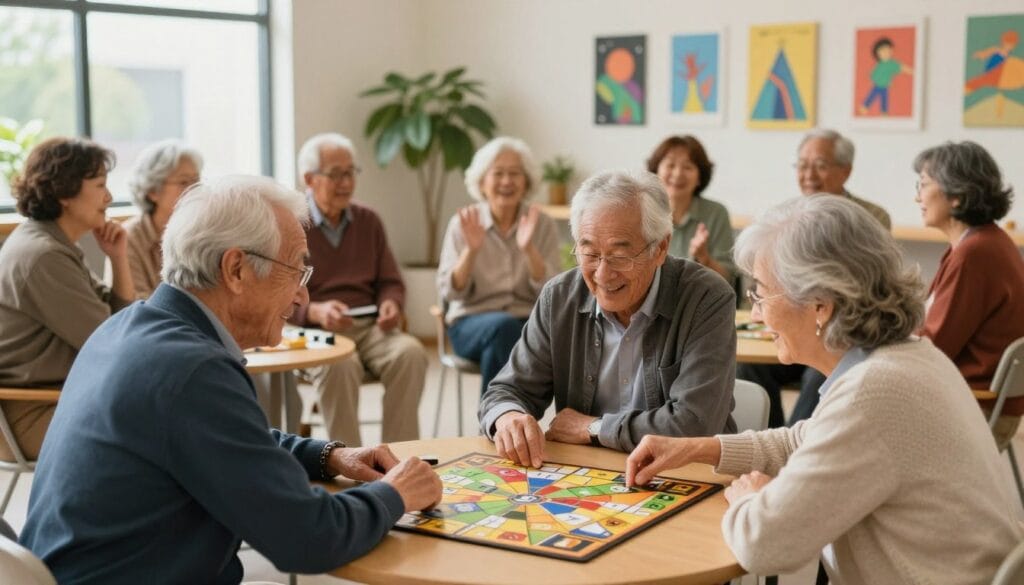
Having a lively social life is key for older adults to improve their memory. Unlike puzzles or books, talking to others gives the brain a boost. Meaningful connections make our minds sharp and ready for anything.
The Cognitive Benefits of Group Discussions
Being in book clubs or community forums is great for the brain. You have to listen, think fast, and remember facts right away. This active engagement is like a brain workout.
In these settings, you must follow many speakers and understand what they mean without words. Staying in these talks helps keep your mental focus strong.
Volunteering as a Tool for Mental Sharpness
Volunteering gives you a reason to keep your mind sharp. It lets you learn new things and handle complex tasks. This purposeful activity keeps your brain active and stops memory loss.
Whether you’re teaching kids or helping at a food bank, you face new challenges. This mix of socializing and brain work is great for your brain.
Maintaining Intergenerational Connections
Talking to younger people is a great way to keep your mind sharp. They introduce new words, tech, and ideas that make you think differently. These talks are some of the best ways to keep your memory strong.
By connecting with younger folks, you keep your mind open and ready for new things. This intergenerational exchange keeps your brain active and connected to the world.
Physical Exercises That Boost Brain Health
Physical movement does more than just strengthen your muscles. It acts as a powerful fuel for your brain. Staying active improves the delivery of oxygen and essential nutrients to your neural tissues. These brain-boosting exercises for senior citizens are vital for maintaining long-term cognitive health and vitality.
Aerobic Activity and Blood Flow to the Brain
Aerobic exercise is key to enhancing cardiovascular health, which supports brain function. Activities like brisk walking, swimming, or cycling increase your heart rate and promote healthy blood circulation. This surge in blood flow helps clear out metabolic waste and supports the growth of new neural connections.
Engaging in consistent aerobic movement can lead to several cognitive advantages:
- Improved memory retention and recall.
- Enhanced executive function and decision-making skills.
- Reduced risk of age-related cognitive decline.
Balance Exercises and Coordination Training
Balance training is essential for maintaining independence and safety in your daily life. These movements require intense focus, which forces your brain to create new pathways for coordination. By practicing these brain-boosting exercises for senior citizens, you sharpen your spatial awareness and reaction times.
Simple activities like standing on one leg or performing heel-to-toe walks can make a significant difference. These exercises challenge your vestibular system and keep your mind engaged in the present moment.
The Connection Between Yoga and Mental Focus
Yoga offers a unique blend of physical movement and mindful breathing that is perfect for older adults. By focusing on your breath and posture, you effectively lower cortisol levels and reduce mental stress. This calming practice allows you to cultivate a deeper sense of mental clarity and emotional balance.
| Activity Type | Primary Benefit | Cognitive Impact |
|---|---|---|
| Aerobic | Heart Health | Increased Blood Flow |
| Balance | Stability | Neural Coordination |
| Yoga | Flexibility | Stress Reduction |
Incorporating these brain-boosting exercises for senior citizens into your weekly routine will yield lasting results. Whether you choose a brisk walk or a gentle yoga flow, your brain will certainly thank you for the effort.
Nutritional Habits to Support Cognitive Function
What you eat affects how well your brain works and remembers things. Eating right is key for keeping your brain healthy and repairing it. By choosing the right foods, you help your brain stay sharp and strong.
Brain-Healthy Foods for Seniors
Eating foods rich in certain nutrients can help prevent brain decline. Focus on whole foods that are full of vitamins and healthy fats. These help fight inflammation and keep your brain cells strong.
Here are some nutrient-dense staples to add to your shopping list:
- Fatty Fish: Salmon, sardines, and mackerel are full of omega-3s.
- Berries: Blueberries and strawberries are rich in antioxidants.
- Leafy Greens: Spinach and kale are packed with vitamin K and folate.
- Walnuts: These nuts boost memory and brain function.
Hydration and Its Impact on Memory
Even a little dehydration can cause brain fog, tiredness, and trouble focusing. As we get older, we might not feel thirsty as much. Drinking enough water is a simple way to keep your mind sharp.
Drink water all day, not just when you’re thirsty. If plain water is boring, add cucumber, lemon, or mint for flavor. Drinking enough water keeps your brain working well and helps neurons talk to each other.
Supplements and Vitamins for Cognitive Support
While a balanced diet is best, some seniors might need supplements. Always talk to your doctor before starting any new supplements. Certain vitamins are very important for your brain’s health.
| Supplement | Primary Benefit | Common Source |
|---|---|---|
| Vitamin B12 | Supports nerve health | Meat, eggs, dairy |
| Vitamin D | Mood and cognition | Sunlight, fortified milk |
| Omega-3 | Brain cell structure | Fish oil, flaxseed |
Always eat whole foods first, as they have many nutrients working together. Supplements should only fill gaps in your diet. By keeping these habits, you help your brain stay strong and healthy.
Digital Tools and Apps for Senior Mental Fitness
You can now access powerful tools to support your cognitive journey from home. Technology has opened new doors for those looking to engage in structured senior mental fitness activities without needing to travel. By using the right digital resources, you can keep your mind sharp and active in your golden years.

Selecting Reputable Brain Training Software
Not every app claiming to boost memory is built on solid research. When choosing software, look for platforms that cite peer-reviewed studies or collaborate with neuroscientists. Avoid programs that rely solely on flashy marketing to sell their services.
Prioritize apps that offer a variety of challenges, such as memory recall, pattern recognition, and logic puzzles. A reputable program should adapt to your skill level, ensuring that the tasks remain challenging but not frustrating. This personalization is key to effective brain fitness activities.
Balancing Screen Time with Offline Activities
While digital tools are excellent, they should not be your only source of mental stimulation. It is vital to balance your screen time with physical and social hobbies to ensure a well-rounded approach to health. Too much time in front of a monitor can lead to eye strain and digital fatigue.
Try to alternate your digital sessions with offline tasks like reading a physical book or playing a card game with friends. This variety keeps your brain engaged in different ways, preventing boredom and promoting overall cognitive flexibility.
Tracking Progress and Setting Realistic Goals
Consistency is the secret to success when it comes to your mental health. Most high-quality apps include built-in tracking features that allow you to monitor your improvement over time. Setting small, achievable goals helps you stay motivated and provides a sense of accomplishment.
Remember that senior mental fitness activities are a marathon, not a sprint. Focus on steady progress rather than immediate perfection. By keeping a simple log of your daily brain fitness activities, you can celebrate your wins and stay committed to your long-term wellness.
| Activity Type | Primary Benefit | Recommended Frequency |
|---|---|---|
| Digital Brain Apps | Targeted Cognitive Training | 15-20 Minutes Daily |
| Strategic Board Games | Social & Logical Thinking | 2-3 Times Weekly |
| Creative Writing | Memory & Expression | Daily Journaling |
| Physical Exercise | Blood Flow & Focus | 30 Minutes Daily |
Creative Hobbies for Long-Term Brain Health
Artistic hobbies and hands-on activities are more than fun. They are powerful tools for brain longevity. These activities stimulate different parts of the brain, creating new neural pathways. By spending time on creative pursuits, you support your brain health and feel fulfilled.
Painting and Artistic Expression
Painting boosts fine motor skills and visual-spatial reasoning. It requires processing complex spatial information, keeping your mind sharp.
The act of creating art also reduces stress. Lowering stress is key to protecting your brain from cortisol’s negative effects. Whether you use watercolors or acrylics, creating art is deeply rewarding.
Writing Memoirs and Journaling
Writing your life story or a daily journal strengthens memory recall and organizational planning. It’s a brain workout that improves connections between memory and executive functions.
It’s not necessary to be a professional writer to benefit. Just recording your thoughts or family stories can enhance mental clarity. It’s a great way to preserve your legacy and keep your mind sharp.
Gardening as a Multi-Sensory Experience
Gardening is a multi-sensory experience that requires physical movement and planning. It involves deciding where to plant seeds and monitoring plant growth. This engages you in problem-solving tasks and provides sensory input beneficial for the aging brain.
This hobby also encourages outdoor time, improving mood and well-being. The combination of fresh air, physical activity, and plant care makes gardening a holistic approach to brain health. It’s a rewarding way to connect with nature and challenge your mind.
| Activity | Primary Cognitive Benefit | Skill Developed |
|---|---|---|
| Painting | Visual-Spatial Reasoning | Fine Motor Control |
| Writing | Memory Recall | Executive Planning |
| Gardening | Sensory Integration | Strategic Problem-Solving |
Overcoming Barriers to Consistent Brain Training
It’s normal to face challenges when trying to improve your brain. Daily fatigue or physical changes can get in the way. By recognizing these obstacles early, you can find a way to keep your brain healthy.
Managing Fatigue and Energy Levels
Our energy levels change throughout the day, affecting our focus. Schedule your senior cognitive workouts when you’re most alert, like in the morning or after a nap. Even short, focused sessions can be very effective.
Pay attention to your body’s signals of tiredness. Trying to push through extreme fatigue can lead to frustration. Rest when needed and come back to your exercises when you’re refreshed.
Staying Motivated During Plateaus
Feeling like you’ve hit a wall after a few weeks is common. Remember, your brain is still benefiting from the exercises, even if you don’t see immediate results. Keeping a journal to track your progress can show how far you’ve come.
Feeling bored? Change up your routine to keep it interesting. Introducing new challenges is great for preventing memory decline. Variety keeps your mind engaged and excited.
Adapting Exercises for Physical Limitations
Physical discomfort shouldn’t stop you from exercising your mind. Many senior cognitive workouts can be adjusted for physical limitations. For example, use voice-to-text software if writing is hard.
Audio-based learning tools can help if reading is tiring your eyes. The goal is to keep your mind active without straining your body. Adapting your environment makes it easier to continue your mental health journey.
Conclusion
Keeping your mind sharp after 70 is a journey that needs mental, physical, and social efforts. You have the power to improve your brain health every day. This is through simple habits and smart choices.
Being consistent is key. By following the tips in this guide, you can strengthen your memory and brain function. Every action you take today helps make your mind sharper and more vibrant for the future.
Try adding one new activity from this list to your routine this week. It could be a puzzle from the New York Times or a walk in a park. Your brain will thank you. Tell your friends or family about it to stay on track and motivated.
Your dedication to learning new things is what makes life worth living. Approach these challenges with curiosity and patience. A healthy, active mind is possible, and the best time to start is now.
FAQ
Q: What are the best brain exercises for seniors over 70 to prevent memory loss?
A: Word games like the New York Times Crossword are great for seniors. Solving math puzzles and practicing memory recall daily also helps. These activities keep your brain sharp by creating new connections.
Q: How often should I engage in daily cognitive training for elderly routines?
A: For the best results, do 15 to 30 minutes of training daily. Adding these activities to your morning routine is a good idea. It makes brain exercises a lifelong habit.
Q: Are there specific cognitive games for elderly adults that I can play on my tablet?
A: Yes, there are many apps for senior mental fitness. Lumosity, Elevate, and BrainHQ offer games that improve focus and memory. These apps help you track your progress and set goals.
Q: Can physical movement really be considered part of senior brain health routines?
A: Yes! Physical activity is key for brain health. Activities like brisk walking boost brain health. It’s a crucial part of preventing memory loss.
Q: What are some mind-stimulating activities for seniors that I can do at home?
A: Many activities can be done at home. Reading complex books, playing Chess or Scrabble, and learning a new instrument are great. Creative hobbies like painting or writing also improve memory.
Q: How does social interaction contribute to memory improvement strategies for older adults?
A: Being social is a brain workout. Joining group discussions or volunteering helps keep your mind sharp. These activities improve memory by requiring active listening and quick thinking.
Q: Do you have any aging brain health tips regarding nutrition?
A: Diet is crucial for brain health. Eat foods like leafy greens, berries, and fatty fish. Following the MIND diet and staying hydrated supports brain health.
Q: What should I do if I feel frustrated or hit a plateau with my senior mental fitness activities?
A: Feeling stuck is normal. If activities feel too easy or hard, try something new. Switching to a different activity keeps you motivated and prevents burnout.